Vegetable yakuzen– category –
Drawing on yakuzen theory, including the four natures, five flavours and meridians, we look at what seasonal and Japanese-grown vegetables do and how to eat them.
-

The benefits of corn silk
Corn silk is well known as a by-product of sweetcorn, which stands for summer in Japan. It is most often drunk as tea, known for its clean taste. It is easy to brew, which makes it easy to bring into the home. Dried, it can be kept and used for a long time. An ingredient that suits an age as health-conscious as this one. -
The benefits of sweetcorn
Sweetcorn is grown widely across Japan, with Hokkaido and Ibaraki known as the main producing areas. Its strong sweetness is its hallmark, and boiling it straight after harvest draws out the most of its savour. When choosing a fresh one, look for tightly packed kernels and taut husks. Keep it in the fridge and eat it soon. -
The benefits of Job's tears
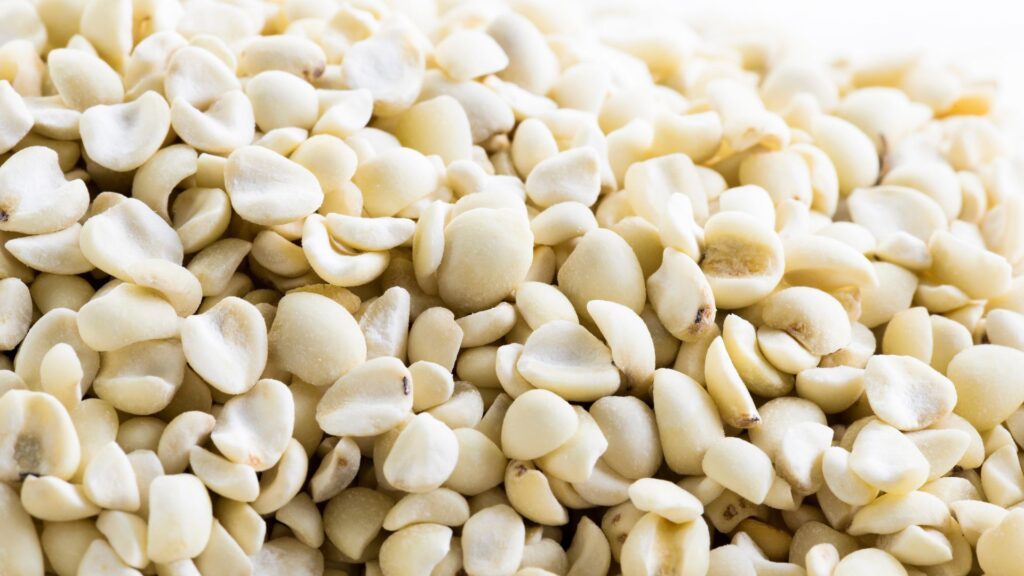
Job's tears is a grain known for its faint sweetness and roasted aroma. Harvested mainly in summer, it often goes into soups, risottos and stir-fries. It is nourishing, rich in minerals and fibre in particular, and tastes good while settling how you feel. Keep it sealed and away from damp and it holds its quality for a long time. -
The benefits of broad bean
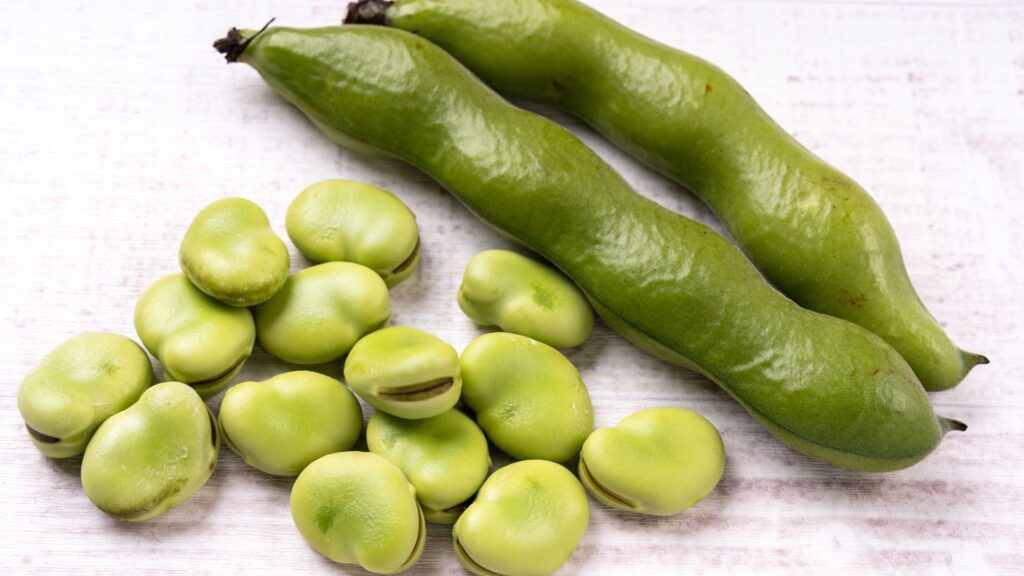
In Japan the broad bean marks the season from spring into early summer, known for its soft sweetness and faint bitterness. It is usually boiled in salted water and eaten as it is, but it also works fried or in a soup. It keeps two to three days in the fridge as a guide, and loses freshness quickly, so cook it soon after buying. A nourishing ingredient worth eating in its season. -
The benefits of soybeans
Soybean is an ingredient Japanese food culture cannot do without, and it comes to the table in many forms. Hokkaido-grown soybeans in particular are of high quality and valued as the raw material for miso and natto. Rich in protein, they are an ideal ingredient for anyone health-conscious. They also keep well, so having them in the cupboard widens what you can cook. -
The benefits of black soybean
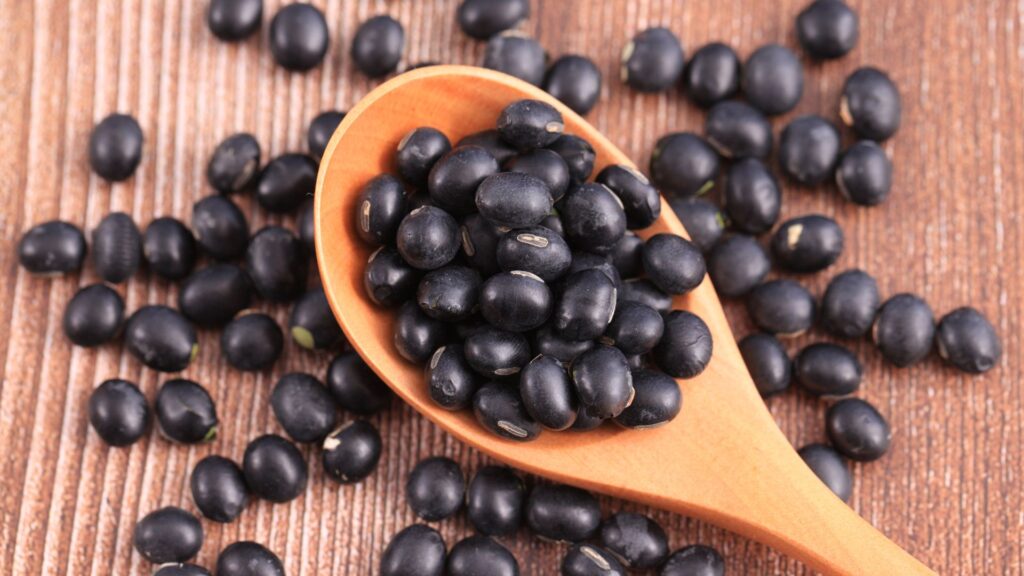
Black soybean is a healthy ingredient long used in Japanese home cooking, known for its roasted aroma and soft texture. Tanba-grown black soybeans in particular are of high quality and popular simmered or as amanatto. They also work in soups and as tea, which suits a range of occasions. They keep well and can be kept in the cupboard all year, which makes them an all-purpose ingredient. -
The benefits of adzuki bean
Adzuki is the classic Japanese pulse, known for its roasted aroma and its sweetness. Hokkaido-grown adzuki in particular is of high quality and eaten across the country. Simmered and sweetened into anko it is a staple of Japanese confectionery, and it also goes into porridge and soups. Adzuki keeps for a long time and is used as emergency food too. It works across everything from home cooking to desserts. -
The benefits of sanchu lettuce
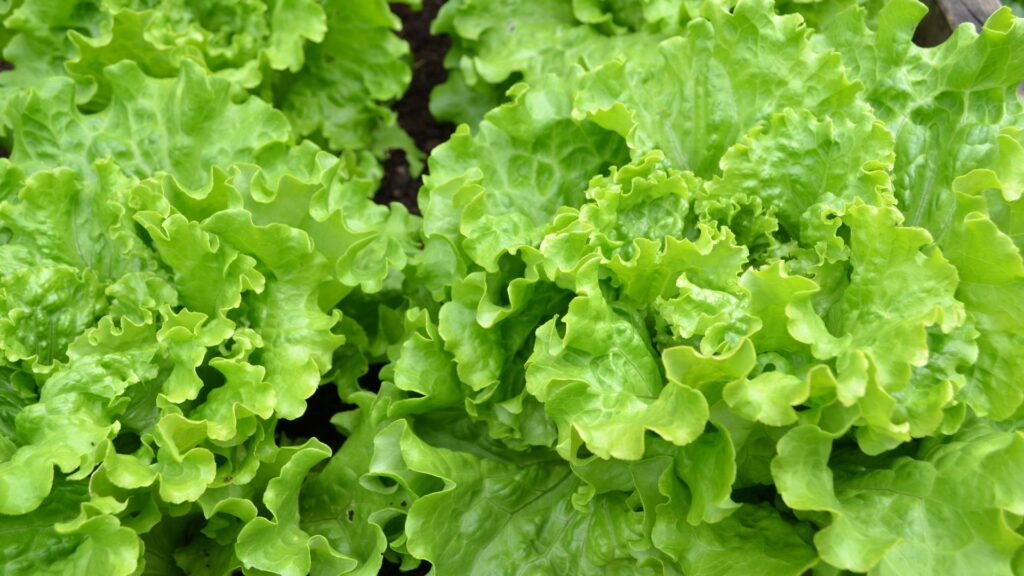
Chisha lettuce is a leaf vegetable you might call a salad staple, its bitterness giving a dish a distinctive accent. In season it is fresh and crisp and works across salads, stir-fries and even as an ingredient in soup. When keeping it, guard against drying and store it properly in the fridge. Rich in vitamin C in particular, it plays a part in heading off summer fatigue. -
The benefits of daylily buds
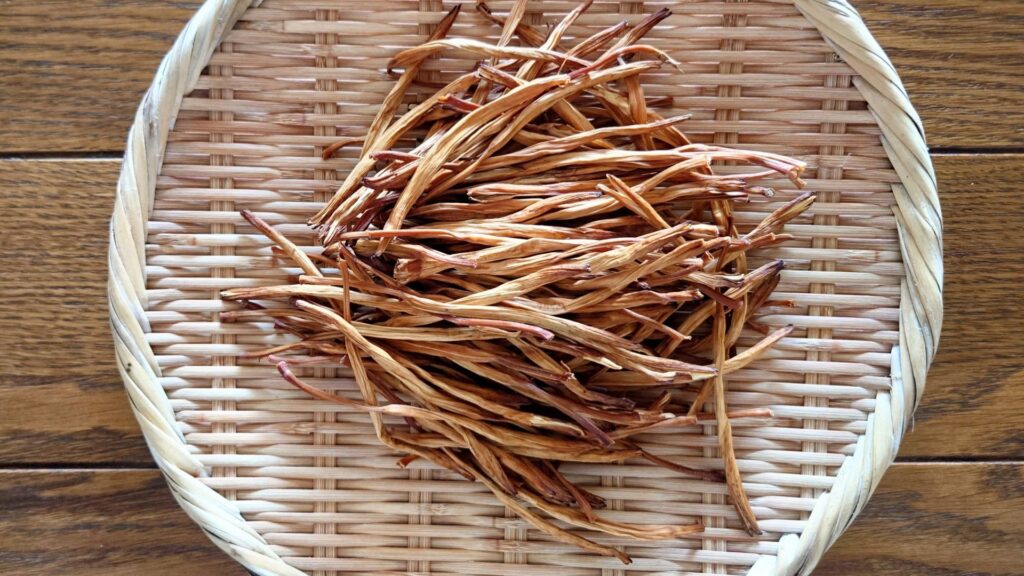
Daylily buds come into season from spring into early summer, known for their vivid yellow flowers. The stems and flowers are tender, and their appeal is the sweetness you can bring out depending on how you cook them. Boil them briefly for a salad or as ohitashi, or add them to a stir-fry or soup, where they lift both colour and taste. Keep them in the fridge, taking care they do not dry out, and use them while fresh. -
The benefits of Jerusalem artichoke
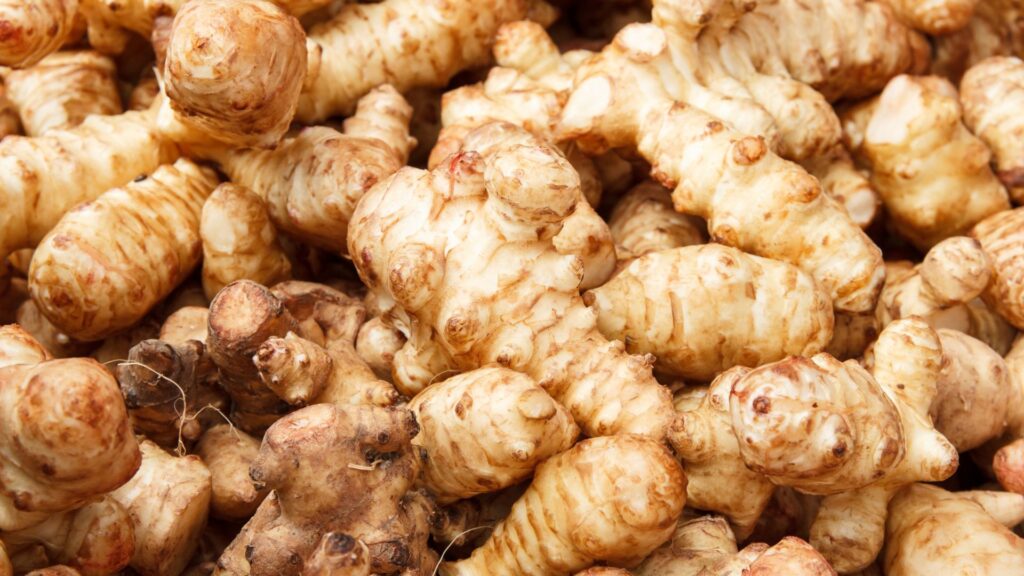
Jerusalem artichoke is a root vegetable known for its natural sweetness and crisp texture, good both raw and cooked. Fresh ones picked in season are particularly full of flavour, and simmered or in a soup they have a pleasant floury texture too. Keep them somewhere cool and dark, away from drying, to hold their freshness.