The benefits of adzuki bean
Links on this page include advertising.
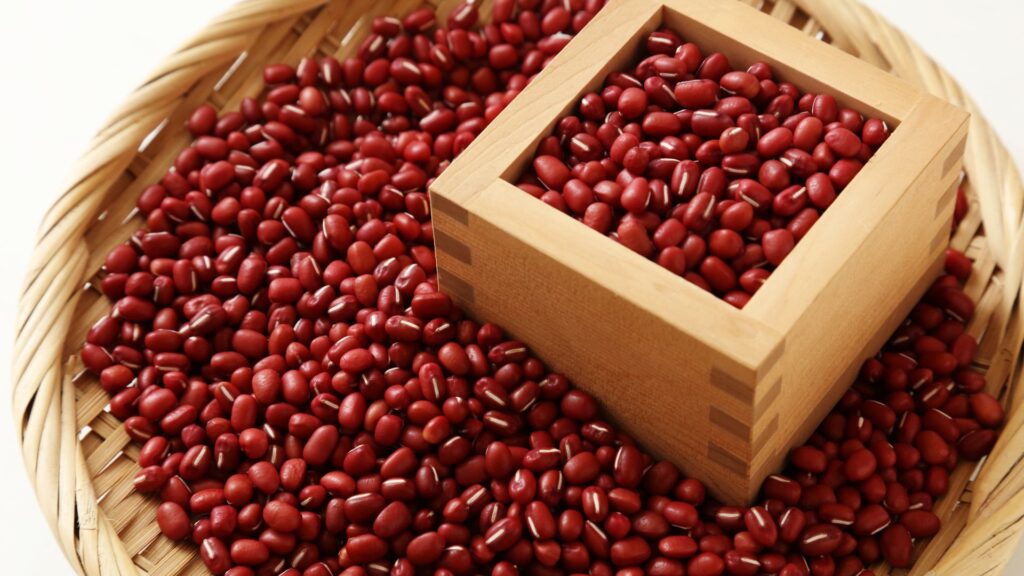 What adzuki beans do
What this vegetable does
By encouraging the passing of water, it drains excess fluid and helps clear swelling and toxins from the body.
How to eat it
Simmered and sweetened as anko, or as adzuki porridge, it digests well and settles the body.
A yakuzen note
Adzuki strongly encourages the passing of water, and is held to ease swelling and settle the balance of fluids in the body.
Adzuki is a sweet bean of gentle nature, held to clear excess fluid from the body and settle trapped heat and toxins. It suits daily care when you swell, or when damp leaves the body heavy, and is easy to bring in during the heat of summer. As anko, adzuki porridge or sekihan, it is an auspicious bean of fine colour that the Japanese table cannot do without.
TOC
When adzuki is in season, the varieties, and how to choose
If you want to bring in what adzuki does, deliciously, knowing the season, the varieties and how to choose makes it easier to use. Its appeal is glossy red grains and a floury sweetness, and it is the auspicious bean that Japanese confectionery and celebratory food cannot do without.
Harvested in autumn, an auspicious bean for special days
Adzuki is the seed of a legume, harvested in autumn. Dried, the beans keep and can be used all year. Their red colour is held to ward off misfortune, and they have long been loved as an auspicious bean for celebrations and milestones, in sekihan, adzuki porridge and zenzai. The main producing areas are Hokkaido, which grows more than anywhere in the country, along with Hyogo and Kyoto Prefectures, known for Tanba Dainagon. New-crop beans in the shops in autumn are fragrant and cook up plump. They work in anko, of course, and in everyday cooking too.
Ordinary adzuki, Dainagon and white adzuki
Adzuki comes in several kinds, differing in size and colour, and each suits different dishes.
| kinds | What stands out |
|---|---|
| Ordinary adzuki | The most common. For tsubuan, koshian and every kind of Japanese confectionery |
| Dainagon | Large-grained and holds its shape. For sekihan, amanatto and tsubuan |
| White adzuki | A rare adzuki with white skin. Used for refined white anko |
Ordinary adzuki for everyday anko, large-grained Dainagon for sekihan and tsubuan where the grains show, white adzuki for refined white anko: choose by use. As well as dried beans, you can buy them boiled, canned or as shop-made anko, ready to use, so you can choose to suit how much work you want to do. Using each for what it does best widens what you can make.
How to choose and how to cook them
When choosing good adzuki, these points make it easier to tell.
- Grains even in size, glossy skins and few wrinkles
- A bright red colour, with little splitting, chipping or insect damage
- For ease, pre-cooked forms such as boiled adzuki, canned beans or shop-made anko
Adzuki has a firm skin, so unlike soybeans it needs no soaking; wash it and start cooking straight away. Boiling once and throwing the water away, which is called shibugiri, softens the harshness and gives a cleaner taste. After that, simmer gently in plenty of water until soft. When sweetening, adding the sugar in several goes once the beans are soft lets the flavour in. The cooking liquid carries savour and colour, so using it too means nothing is wasted.
How to eat adzuki
Adzuki works widely, from Japanese confectionery to celebratory food to tea, drawing on its floury sweetness. Here are the standard ways.
Anko, zenzai and Japanese confectionery
What brings out the most in adzuki is anko, simmered sweet. Tsubuan, with the grains left, and smooth koshian are the lead in Japanese confectionery: ohagi, daifuku, dorayaki, taiyaki. Zenzai and oshiruko, where you eat softly cooked adzuki with the liquid, become something to look forward to in cold weather with a piece of grilled mochi alongside. Set with agar as mizu-yokan, or as a topping for anmitsu and shaved ice, they can be enjoyed in any season. Being able to adjust the sweetness is part of the appeal of making your own anko.
Sekihan, adzuki porridge and adzuki with kabocha
Adzuki is also loved in celebratory food. Sekihan, cooked with glutinous rice, is the feast that celebrations cannot do without. Adzuki porridge, eaten at Koshogatsu on 15 January, is gentle in taste and suits times when you want to go easy on your gut. Adzuki with kabocha, eaten at the winter solstice, is a long-standing pairing where the floury sweetness of the squash goes beautifully with the beans. Adzuki tea, brewed from the beans, is roasted in flavour and easy to bring into your daily drinking. Adzuki plays its part in savoury dishes too.
How to keep adzuki
Dried adzuki keeps, but it loses flavour if it takes up damp and can attract insects, so keep it in an airtight container somewhere cool and dark, away from damp. In summer, or when you will not use it for a while, sealing it and putting it in the fridge is safest. Cooked adzuki and anko spoil easily, so freezing them in portions makes them handy for zenzai, confectionery and cooking. Flatten anko before freezing and you can break off as much as you need. Shop-bought boiled adzuki and anko should be used soon after opening.
Alongside this, it is worth knowing about The benefits of black soybean likewise an auspicious bean, and The benefits of kabocha squash eaten with adzuki at the winter solstice, as a guide when cooking for the year's occasions.
Adzuki, which the Japanese table cannot do without, is a bean whose floury sweetness and good fortune you can enjoy in anko, zenzai, sekihan, adzuki porridge and adzuki with kabocha. Ordinary adzuki for every kind of Japanese confectionery, Dainagon where the grains show, refined white adzuki: choosing by kind brings out what each has. For daily care in the seasons when swelling and damp leave the body heavy, bring adzuki to the table.