The benefits of Japanese yam
Links on this page include advertising.
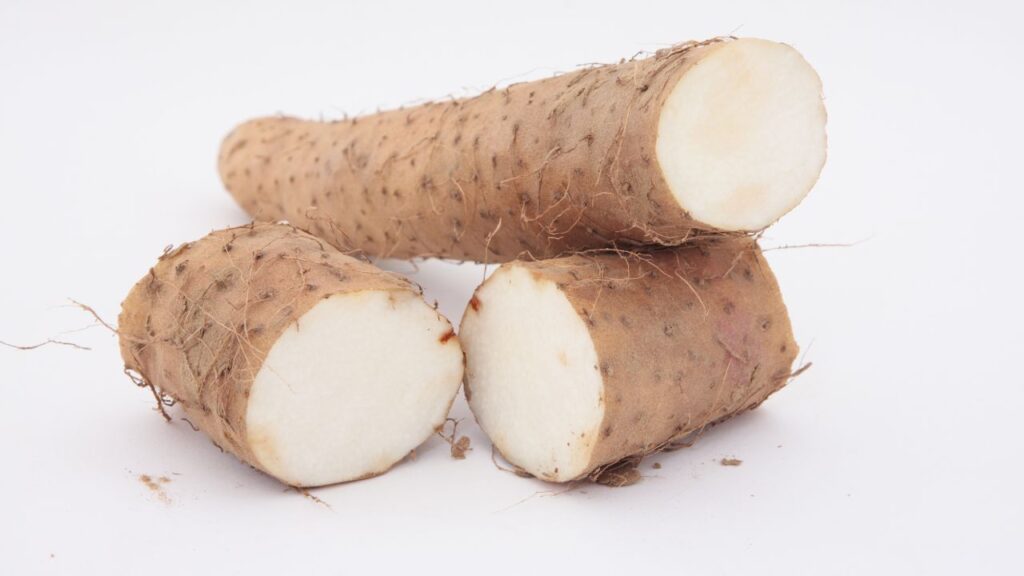 What yam does
What this vegetable does
An ingredient that is kind to the gut and stays with you through easy tiredness and heaviness after a meal.
How to eat it
Grated into tororo over rice, or added to a stir-fry or a hotpot, it makes the dish more nourishing.
A yakuzen note
One of the ingredients to suggest for a weak constitution. Since it replenishes the way the Spleen and Stomach work, eat it soft and warm when the gut is unsettled.
Yam replenishes a weak Spleen and Stomach and gently settles easy tiredness, heaviness after a meal and swelling. Long loved as an ingredient that restores energy, it is brought in when strength is low or the appetite will not come. Bring it to the table as everyday nourishment.
TOC
When yam is in season, its types, and how to choose it
If you want to enjoy what yam does, start with its season and the differences between its types and choosing becomes easier. Yam is one word for several things, and how sticky and how watery they are varies a good deal by type, as does what they suit. Winter into early spring is when they eat best, and that is when the sweetness and the flavour stand out.
Season and growing area change with the type
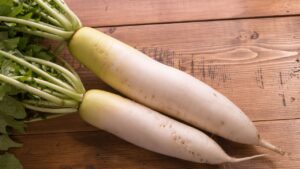
Nagaimo, the most widely sold, comes mainly from Aomori and Hokkaido, and since it is dug from autumn through to spring it is available over a long season and easy to find all year. The autumn-dug crop is juicy and the spring-dug crop fuller in flavour, so the character changes with the time of year. Jinenjo, on the other hand, with its strong stickiness, belongs to autumn and winter in most people's minds and is loved as an ingredient for its scent. Yam firmed up by the cold has a fuller flavour when made into tororo.
Nagaimo, yamatoimo and jinenjo, and what each suits
Even among yams, stickiness and water content differ by type, and so does what they suit. Here are the three main types.
| kinds | What stands out | What it suits |
|---|---|---|
| Nagaimo | High in water and light in flavour. Easy to find | Cut into batons, salads, dressed dishes |
| The yamatoimo group, such as tsukuneimo and ichoimo | Strongly sticky and full in flavour. The tsukuneimo of Tanba in Kyoto is known as a premium ingredient | Tororo, and dishes where it is grated and cooked |
| Jinenjo | The stickiest of all, and richly scented | Proper tororo soup |
Remember that the yamatoimo group and jinenjo are for tororo if you want it properly, and nagaimo for a crisp bite raw, and the range of what you can cook widens.
How to choose good yam, and how to keep it
When choosing, look for firm, glossy skin and juicy whiskery roots and cut ends. The plumper it is, with no cuts or darkening on the surface, the easier it is to handle.
- Firm skin, with a real weight in the hand
- A white, juicy cut face, with no discolouring
- With cut pieces, seal the cut face with film and use them up soon
Wrap a whole yam in newspaper and keep it somewhere cool and dark. What you will not use soon can be grated and frozen in small portions, ready to go straight into tororo and soups. Yam holds a lot of water, and one root can carry a menu on its own: grated into tororo as a staple, or cut into batons as a side.
How to eat yam
Yam is good raw and good cooked, and the appeal is how much the texture changes with the cooking. Here are some easy recipes, tororo first, that fit into everyday meals.
The standard tororo over rice, and how to grate it
Tororo over rice is the standard way to have the smooth mouthfeel and natural sweetness of yam. Working it in a grinding bowl so that air gets into it makes it light and better in the mouth. Let down with stock or a little soy sauce, it suits plain rice and barley rice alike. Mugitoro, poured over barley rice, keeps you eating, and yamakake with tuna or a soft-boiled egg is popular too. Grated tororo can also be dropped into miso soup or a soba broth. A scattering of Kyoto-grown Dried Kujo spring onion at the end brings up the scent and the colour.
A crisp bite, in batons and salads
Nagaimo cut into batons and dressed quickly with soy sauce or stock gives you a crisp bite. Combined with umeboshi and nori it makes a fine palate cleanser. Put into a sticky rice bowl with okra and mekabu, it goes down easily even on a day when the appetite will not come. Added raw to a salad, its particular texture works as a note the other vegetables cannot give, and changing the seasoning, to wasabi soy sauce or a stock-based soy sauce, changes the impression entirely.
Cooked, it turns floury and chewy
Cooked, yam changes from slippery to floury. Grated and fried, it develops a chewiness like mochi, and it can bind isobeage and okonomiyaki. Cut into rounds and fried in butter, it makes a floury dish on its own. Grated yam mixed with stock and chopped spring onion and fried makes a yam pancake, soft and melting. Added to a hotpot or a soup, it gives a thick richness and a bowl that warms the body.
How to prepare it without the itching
Handling yam makes the hands itch easily because the needle-like crystals of calcium oxalate in it irritate the skin. These crystals are weak to acid, so a short soak in water with vinegar after peeling holds back both the discolouring and the itching. If your hands react, wet them with the vinegar water before you start, or use kitchen gloves, and it is more comfortable. Dipping it in vinegar water skin and all before grating is an easy way too.
Ingredients in season in autumn and winter are also covered in The benefits of chestnut or The benefits of kabocha squash, The benefits of jujube. Read them together as a guide to planning a seasonal menu.
Nagaimo in batons for the crisp bite, the yamatoimo group as smooth tororo, jinenjo for the scent. Choose by the character of each type and bring yam to the table as tororo, as a simmered dish or fried, however the day takes you.