What is yakuzen?
Links on this page include advertising.
Yakuzen is a way of eating grounded in Chinese medicine, aimed at keeping the body in balance by putting what ingredients do to work. With its long history as food that supports heading off illness and feeling better, yakuzen fits easily into life today and offers a wide range of benefits. Here we set out its basic thinking and what marks it out.
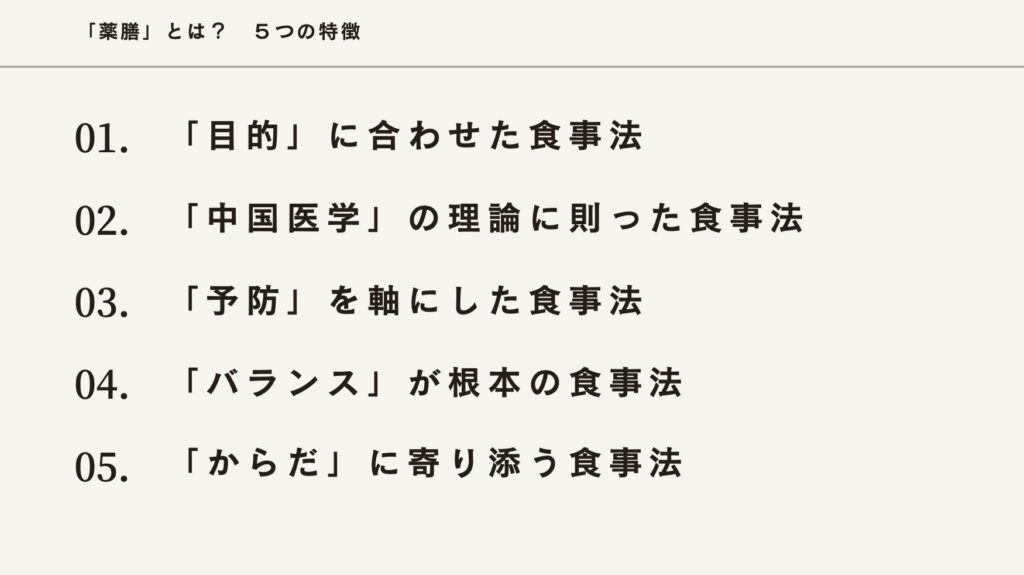
1. Eating with a purpose
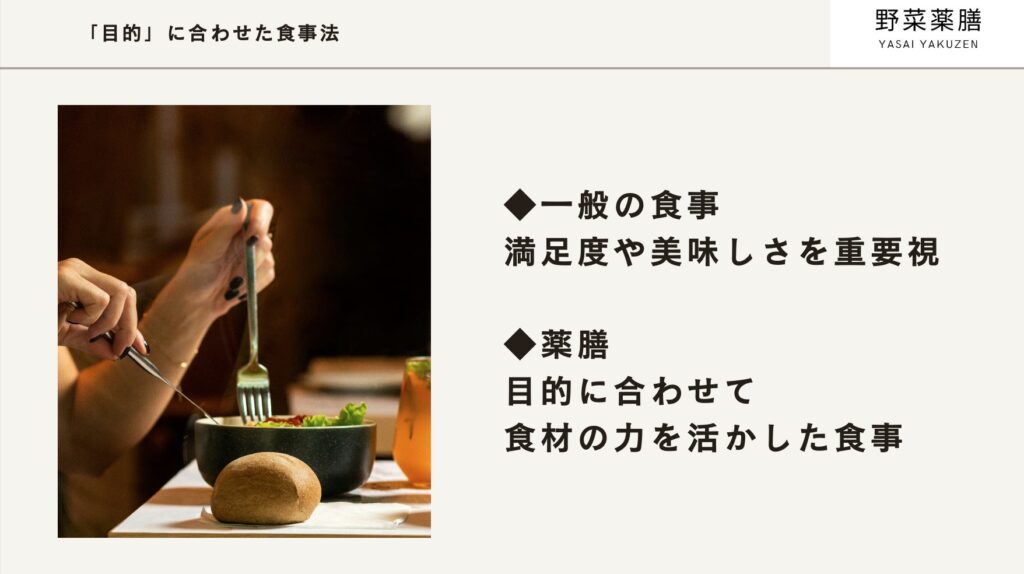
The basis of yakuzen is that food is not simply for satisfaction; ingredients are chosen with a particular purpose, to suit how you feel, your constitution and the season. You might have a concrete aim, such as recovering from tiredness, easing the cold or building resilience, and combine the ingredients best suited to it.
Where ordinary eating weighs taste and satisfaction, yakuzen is about drawing the most from what ingredients can do, to suit how you feel and what you are after at the time.
2. Eating on the theory of Chinese medicine
Yakuzen rests on the theory of Chinese medicine. Chinese medicine weighs the balance of the seasons, the natural world and the body's organs when choosing ingredients. Warming ingredients in the cold season, cooling ones in the hot season: harmony with nature is what matters.
Adjusting what you eat to what lies behind the trouble is another hallmark of Chinese medicine. For trouble that comes from stress or tiredness, for instance, you would choose ingredients that care for the Liver and Kidney.
3. Eating built on prevention
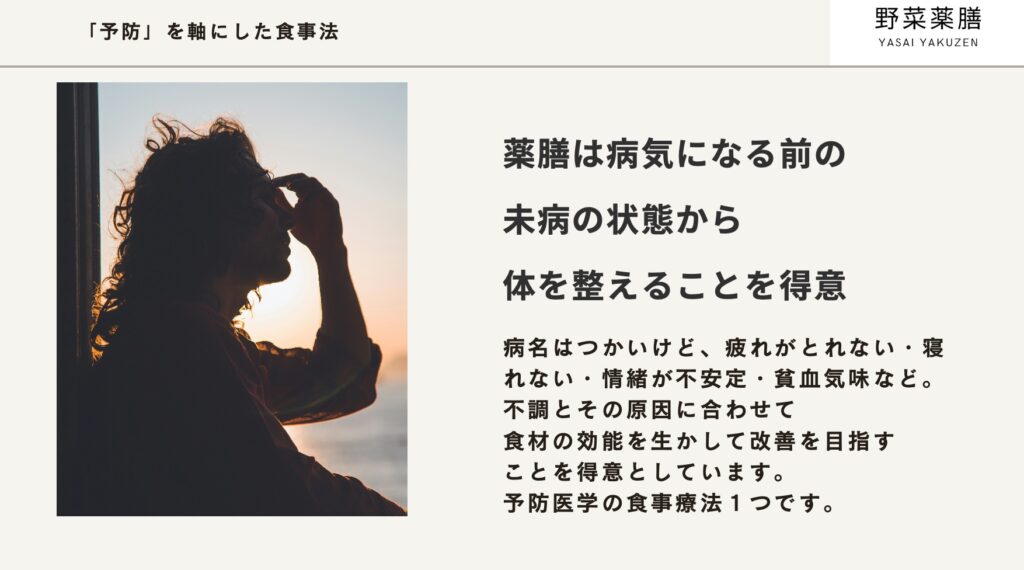
Rather than treating illness once it arrives, yakuzen puts its weight on settling the body at the pre-illness stage, before illness sets in. Caring early for things like tiring easily, not sleeping and unsteady emotions, by putting what ingredients do to work, is where yakuzen is strongest.
That chimes with preventive care, which is drawing attention today: staying well through everyday meals and heading illness off before it starts.
4. Eating built on balance
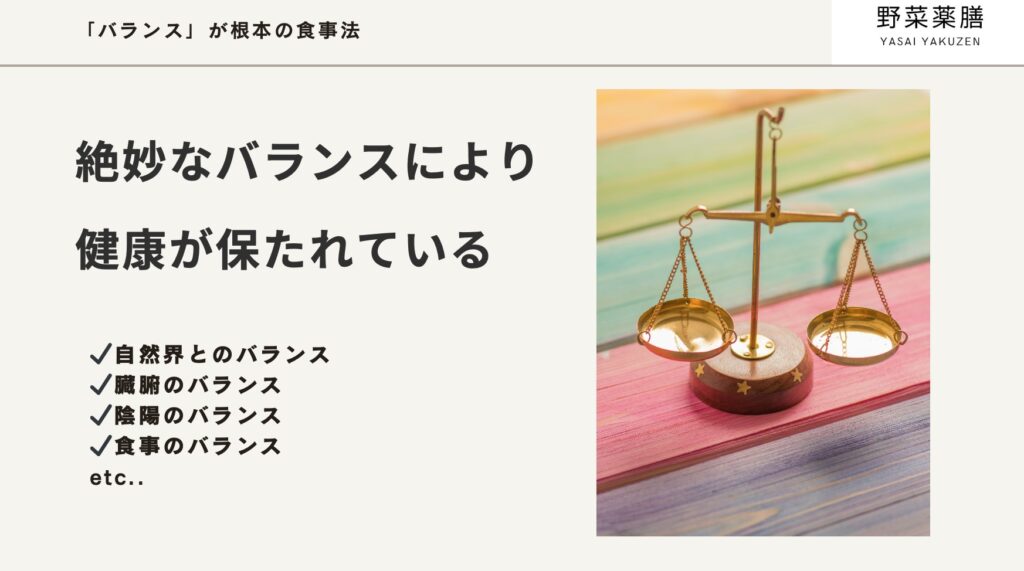
Yakuzen treats settling the balance inside and outside the body as the basis of health. It adjusts what you eat with the balance of the internal organs, and of yin and yang, in mind. Varying ingredients flexibly as the seasons turn and as how you feel changes holds a fine balance and lets you get through without falling ill.
5. Eating that stays alongside the body
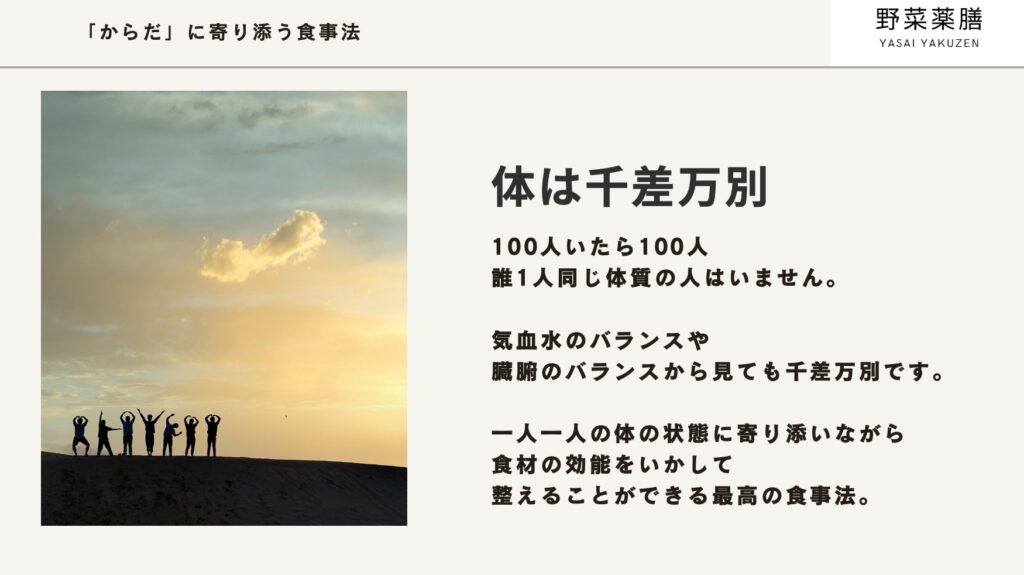
What makes yakuzen appealing is that it respects how different constitutions are. A hundred people mean a hundred constitutions; no two are the same. Choosing ingredients to suit each constitution and each state, and putting what they do to work, gives each body the eating that suits it best.
Someone who feels the cold gets warming ingredients; someone who runs hot gets cooling ones. The approach can be matched to each person's needs.
In summary
Yakuzen is not simply food but dietary care for settling the balance of body and mind. Working from the theory of Chinese medicine, it chooses ingredients to suit the season and how you feel, with the aim of protecting health from the pre-illness stage onwards. Bring balanced eating into daily life and body and mind settle naturally, and you live well.
Yakuzen, then, is easy to bring into everyday meals and is a very effective way of staying well for people today. Do put what you know of yakuzen to work and make your everyday meals healthier and better balanced.
Related articles
-
 What is yin-yang theory in yakuzen?
 -
What is five-phase theory? The idea at the root of Chinese medicine
-
What are qi, blood and fluids in yakuzen?
-
[Updated 2025] Easy yakuzen recipes from everyday ingredients, and how to work them into your life
-
Why yakuzen is drawing attention from busy men today: three effects and how to practise it
-
How I started a business through yakuzen: what I would tell you
-
Starting a side business with yakuzen: the road from no experience to income
-
Nine tips for keeping yakuzen going, and how to make it a habit