Nine tips for keeping yakuzen going, and how to make it a habit
Links on this page include advertising.
You want to live healthily but cannot seem to keep it up. Does that sound familiar?
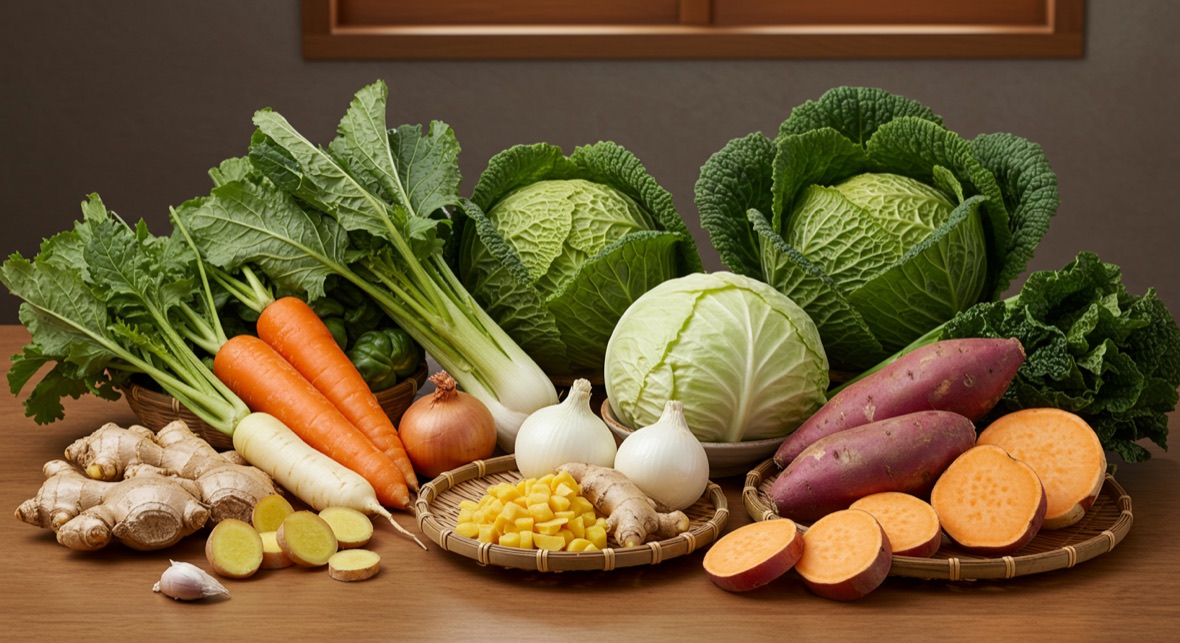
Yakuzen, grounded in Chinese medicine, is a fine way of eating that settles your constitution and how you feel through everyday meals. It is often thought to need special ingredients, though, and plenty of people find it hard to keep up. In fact, vegetable yakuzen, built on everyday vegetables from the supermarket, needs nothing special and anyone can practise it easily.
TOC
Why yakuzen is hard to keep up
Plenty of people start yakuzen and cannot keep it going. Let us look at the main reasons.
The first great wall is the belief that you need special ingredients. Thinking you need exotic materials like the ones in kampo medicines raises the barrier before you begin.
The image that it takes knowledge and looks hard is another reason. Feeling there is a great deal to learn, from Chinese medicine terminology to constitution checks, makes bringing it into daily life look like work.
Then there is the fact that it takes time to feel anything. Yakuzen improves your constitution gradually through repetition rather than working instantly. When nothing visible happens quickly, motivation is hard to hold.
Above all, the sheer busyness of daily life is the greatest barrier. Bringing in a new way of eating amid work and housework is not simple.
But it is fine. Know the tricks for getting over these walls and yakuzen becomes something you can keep up without strain.
Nine tips for keeping yakuzen going
Bringing yakuzen into daily life starts with a small step. Here are nine tips for keeping it up, drawn from my own experience and from yakuzen itself.
1. Start with everyday ingredients
Yakuzen brings to mind special kampo ingredients, but the vegetables and seasonings you already use have yakuzen properties of their own. Start with everyday ones such as ginger, spring onion and garlic.
Ginger, for instance, warms the body and helps digestion. If you feel the cold, adding a little more ginger than usual to a dish is yakuzen in its own right.
2. Choose ingredients for the season
Chinese medicine holds that there are ingredients suited to each season. Seasonal ingredients are richer in nourishment and often have exactly the qualities that season calls for.
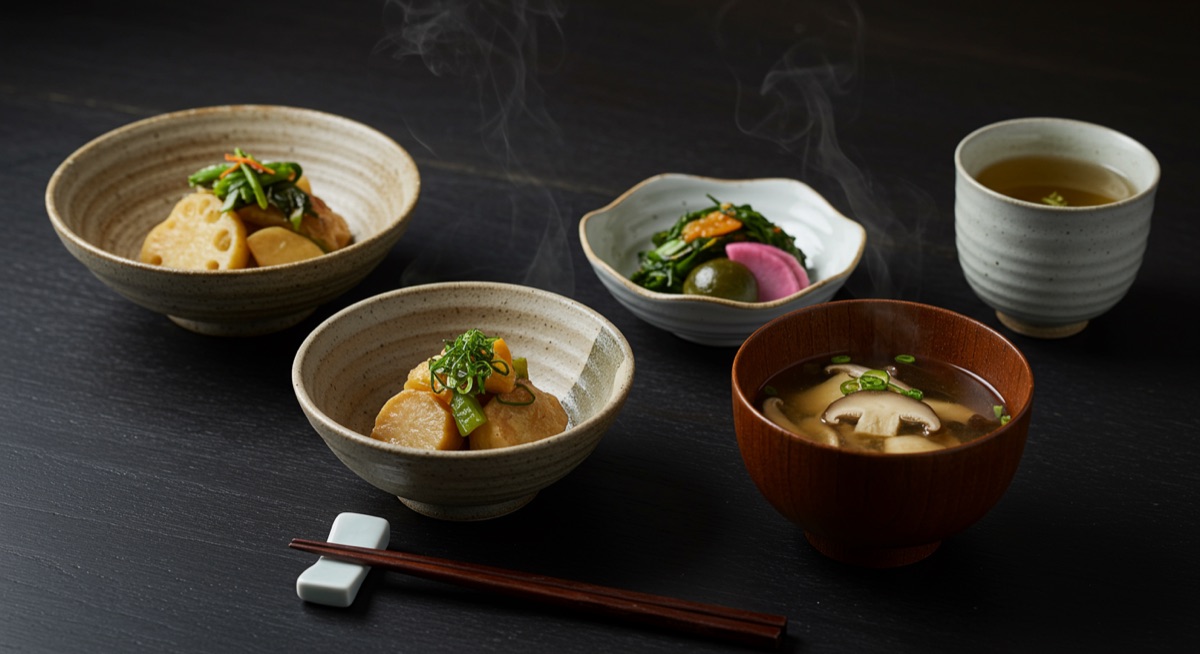
Make a point of bringing in cucumber and tomato, which cool heat in the body, in summer, and root vegetables, which warm it, in winter, and you settle yourself naturally.
The turn of the seasons is when people fall ill. That is exactly when making a point of seasonal ingredients raises the body's ability to adapt.
3. Start with one dish
Rather than turning every meal into yakuzen at once, start by bringing a yakuzen element into one dish. Adding a seasonal vegetable and a little ginger to the morning miso soup is yakuzen in its own right.
Bringing a little yakuzen into everyday meals bit by bit is how it becomes a habit without strain.
This is exactly how I started while on leave. I began by making the morning miso soup a little more yakuzen, then widened it gradually to other dishes.
4. Know your constitution
Chinese medicine holds that eating to suit each person's constitution matters. Knowing yours lets you choose ingredients that work better for you.
Someone of the qi deficiency constitution, who feels the cold and tires easily, suits ingredients that warm the body and replenish energy. Someone of the yin deficiency constitution, who flushes easily and gets a dry mouth, suits ingredients that cool and moisten.
5. Vary how you cook
The same ingredient does different things depending on how you cook it. Something that cools the body when eaten raw can turn warming when thoroughly heated.
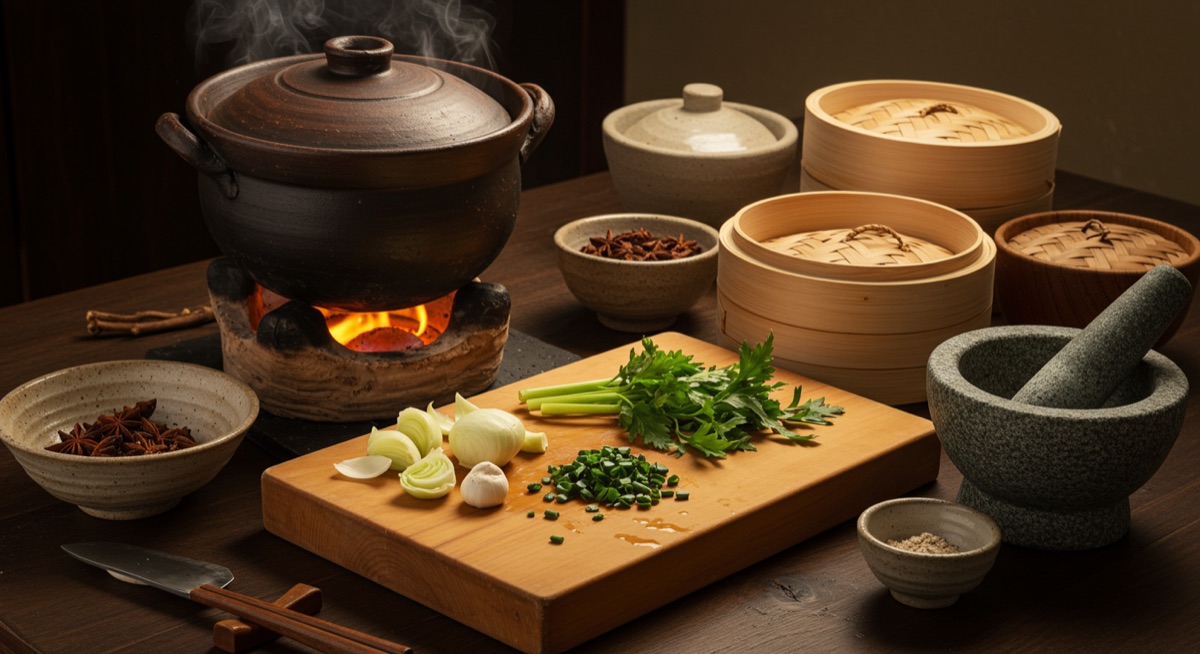
If you feel the cold even in summer, choosing a warm vegetable salad over a raw one, and generally choosing your cooking method to suit your constitution, is the way.
Yakuzen also values the balance of yin and yang. Rather than eating nothing but cold things through a hot summer, bringing in some warm food keeps the body in balance.
6. Use a calendar or a note
Making it visible helps you keep going. Marking the days you brought yakuzen in on a calendar, or noting which ingredients you used, gives you something to keep going for.
There are even yakuzen diaries that suggest seasonal ingredients, recipes and good habits a little at a time each day. Using one is another way.
I have kept going with the simple method of circling the days I brought yakuzen in on a calendar. Seeing progress makes it easier to hold onto the motivation.
7. Tie it to an existing habit
Making a new habit stick works best when you tie it to one you already have. Something like always putting a seasonal vegetable in the morning miso soup, adding a yakuzen element to what you already do, is easier to keep up.
Research also says that tying a habit to something you care about makes it easier to hold on to, which is a way of putting how the brain works on your side. Connecting it to your own values, such as wanting to keep your family smiling by staying well, raises motivation.
8. Find people to do it with
If keeping it up alone is hard, find people with the same aim. Working on it with family or friends, or joining an online community, means sharing information and keeping motivation up.
In my case, swapping recipes regularly with a friend interested in yakuzen produced new ideas and gave me a reason to keep going.
9. Do not push
Above all, keep it at your own pace, without strain. Chasing perfection is what stops people keeping it up.
Rather than sinking into having failed today, the secret to keeping going is the flexible thought that you will start again tomorrow.
Health is not built in a day. Keeping at it, even a little at a time, reliably improves your constitution.
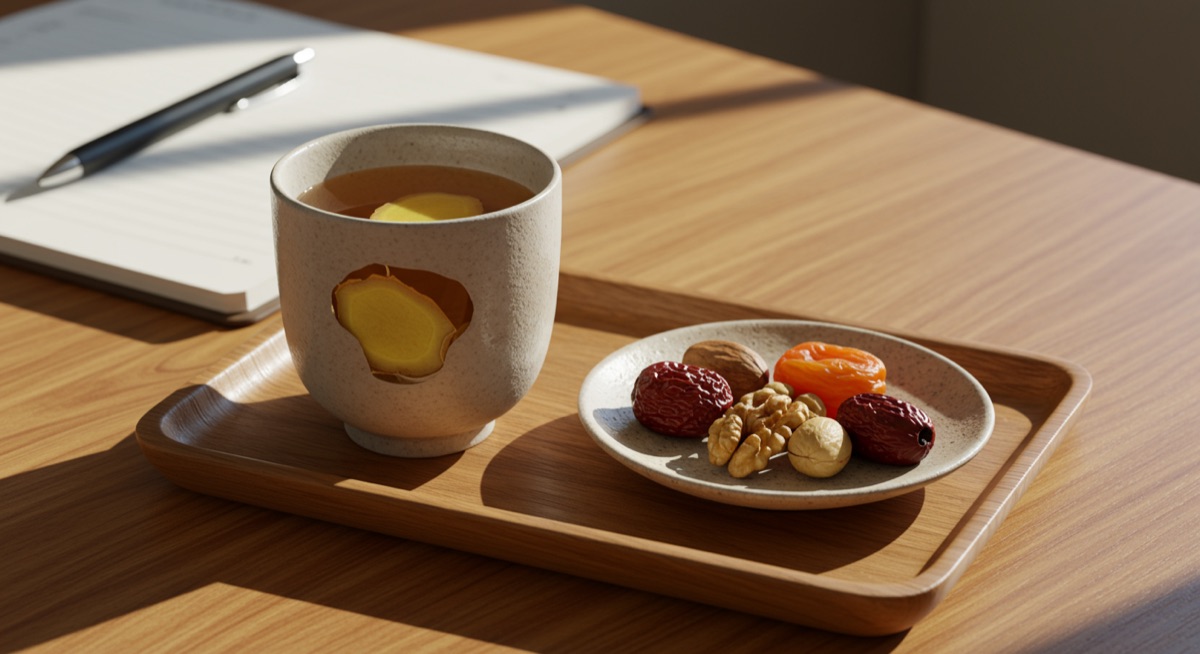
Keeping yakuzen going, without strain and with some enjoyment
Yakuzen is not a way of eating that asks anything special of you; it is self-care you eat, alongside daily life. The tricks to keeping it up are not pushing too hard and finding the way that suits you. Start with everyday ingredients and make a point of choosing and cooking to suit the season and your constitution, and what yakuzen does will show clearly.
One dish at first, one step at first. Small things, added up, lead to the health you will have. Rather than aiming at perfection, what matters most is keeping going at your own pace, within what you can manage, with some enjoyment in it.
If you have felt that yakuzen is difficult, you above all should try it lightly, with ingredients from the supermarket. Listen to what your own body and mind are telling you, and make yakuzen part of your life. The longer you keep it up, the more surely you will feel the comfortable changes it brings.
- Eating yakuzen the right way: six points that get the most out of it
- Starting a side business with yakuzen: the road from no experience to income
Related articles
-
 What is yin-yang theory in yakuzen?
 -
What is five-phase theory? The idea at the root of Chinese medicine
-
What are qi, blood and fluids in yakuzen?
-
[Updated 2025] Easy yakuzen recipes from everyday ingredients, and how to work them into your life
-
Why yakuzen is drawing attention from busy men today: three effects and how to practise it
-
How I started a business through yakuzen: what I would tell you
-
Starting a side business with yakuzen: the road from no experience to income
-
Eating yakuzen the right way: six points that get the most out of it