vegetable benefits– tag –
The category explaining what vegetables do in yakuzen terms and what they hold
-

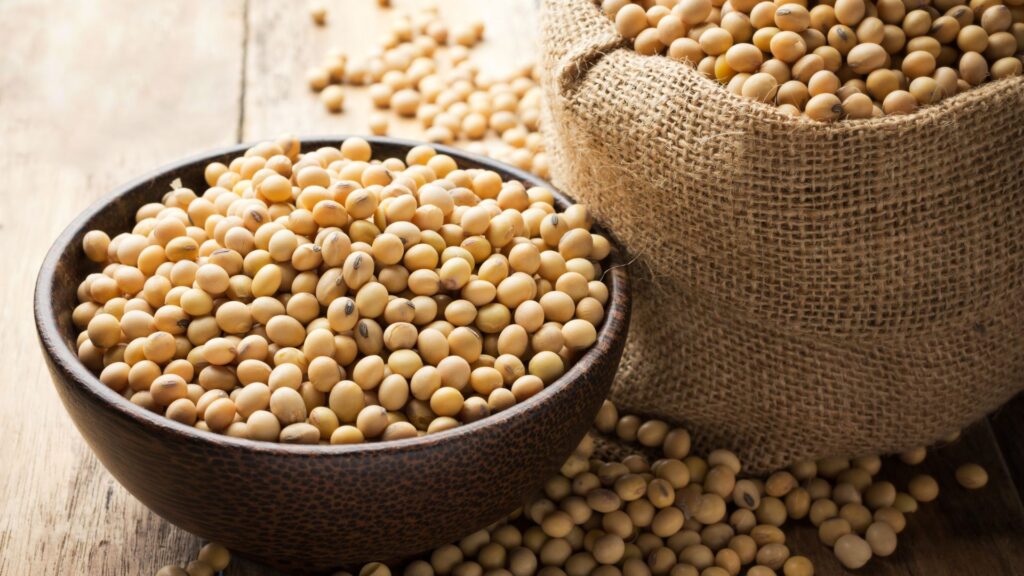
The benefits of soybeans
Soybean is an ingredient Japanese food culture cannot do without, and it comes to the table in many forms. Hokkaido-grown soybeans in particular are of high quality and valued as the raw material for miso and natto. Rich in protein, they are an ideal ingredient for anyone health-conscious. They also keep well, so having them in the cupboard widens what you can cook. -
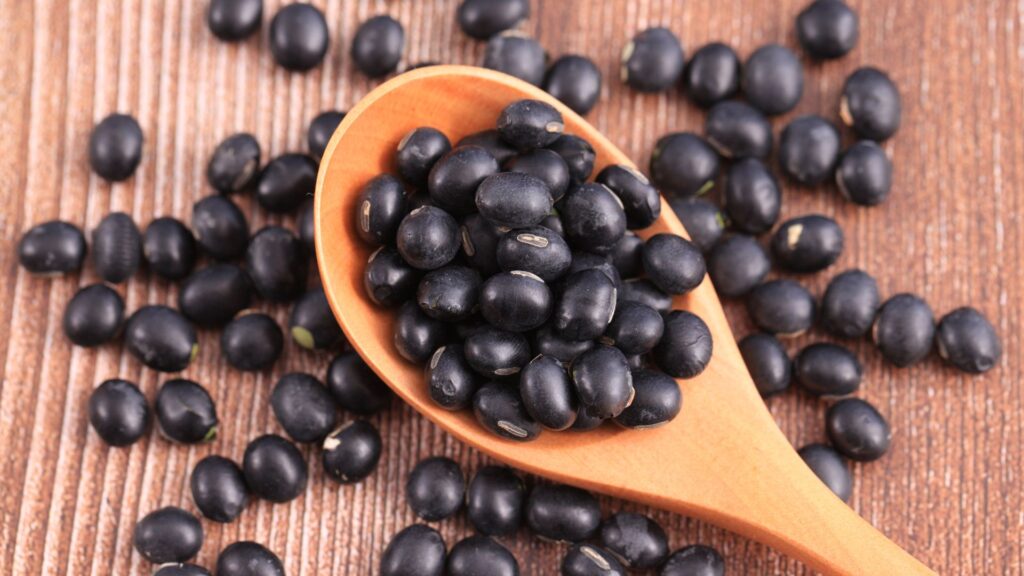
The benefits of black soybean
Black soybean is a healthy ingredient long used in Japanese home cooking, known for its roasted aroma and soft texture. Tanba-grown black soybeans in particular are of high quality and popular simmered or as amanatto. They also work in soups and as tea, which suits a range of occasions. They keep well and can be kept in the cupboard all year, which makes them an all-purpose ingredient. -
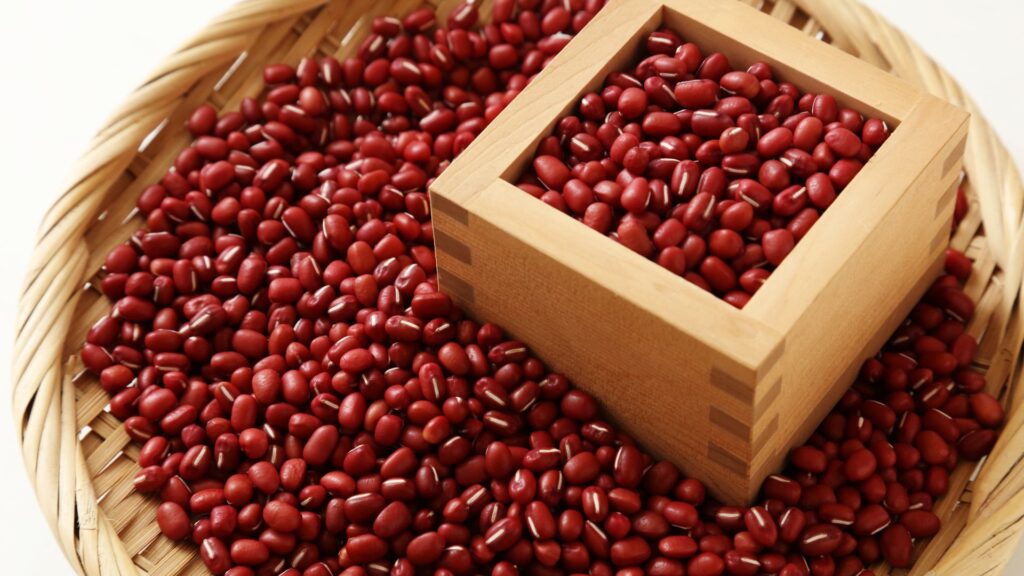
The benefits of adzuki bean
Adzuki is the classic Japanese pulse, known for its roasted aroma and its sweetness. Hokkaido-grown adzuki in particular is of high quality and eaten across the country. Simmered and sweetened into anko it is a staple of Japanese confectionery, and it also goes into porridge and soups. Adzuki keeps for a long time and is used as emergency food too. It works across everything from home cooking to desserts. -
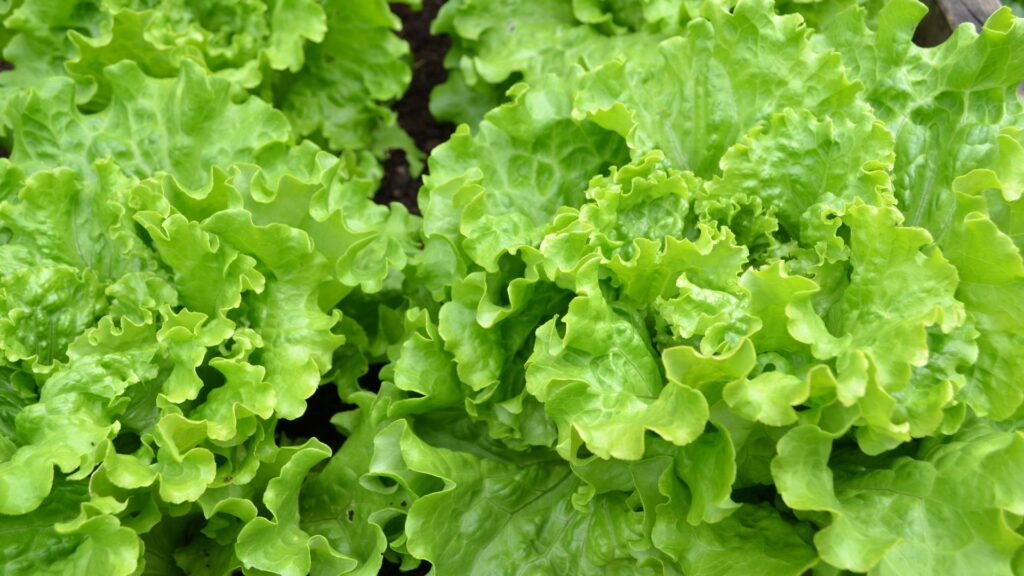
The benefits of sanchu lettuce
Chisha lettuce is a leaf vegetable you might call a salad staple, its bitterness giving a dish a distinctive accent. In season it is fresh and crisp and works across salads, stir-fries and even as an ingredient in soup. When keeping it, guard against drying and store it properly in the fridge. Rich in vitamin C in particular, it plays a part in heading off summer fatigue. -
The benefits of daylily buds
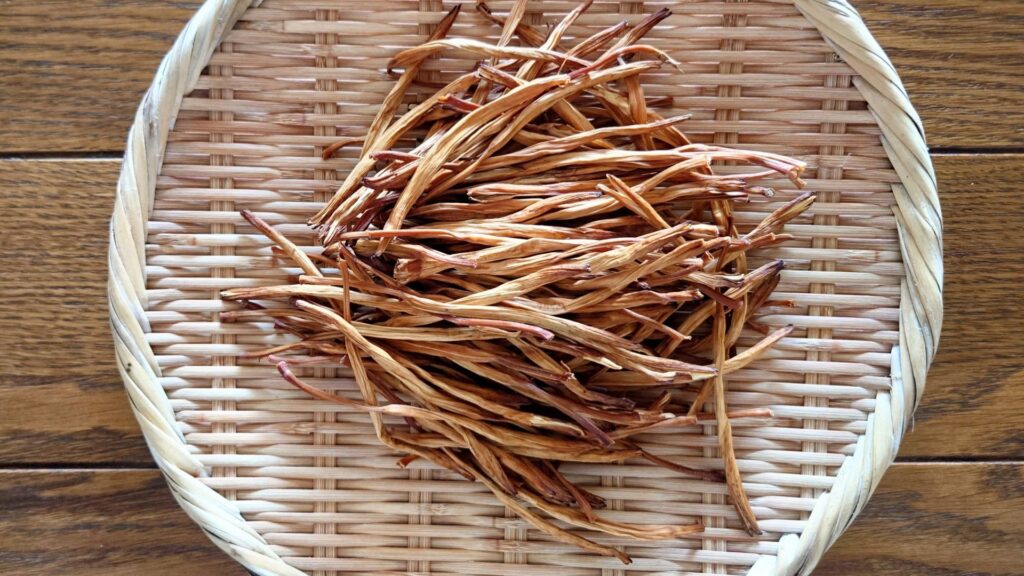
Daylily buds come into season from spring into early summer, known for their vivid yellow flowers. The stems and flowers are tender, and their appeal is the sweetness you can bring out depending on how you cook them. Boil them briefly for a salad or as ohitashi, or add them to a stir-fry or soup, where they lift both colour and taste. Keep them in the fridge, taking care they do not dry out, and use them while fresh. -
The benefits of Jerusalem artichoke
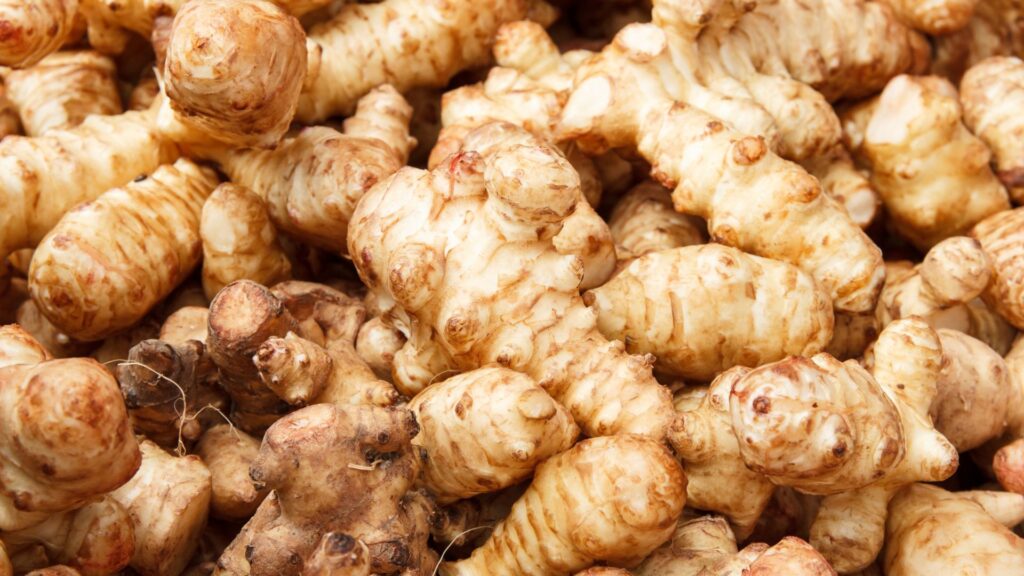
Jerusalem artichoke is a root vegetable known for its natural sweetness and crisp texture, good both raw and cooked. Fresh ones picked in season are particularly full of flavour, and simmered or in a soup they have a pleasant floury texture too. Keep them somewhere cool and dark, away from drying, to hold their freshness. -
The benefits of melon
Melon is the fruit that stands for summer, known for its juicy, sweet flesh. In season it is particularly fragrant; eaten as it is, of course, and added to a salad, where its sweetness and texture give an accent. The rind and seeds can also be used with a little thought. Keep it in the fridge and bring it back to room temperature 30 minutes before eating to bring out the sweetness. Enjoy melon in all its forms and make more of your summer. -
The benefits of mango
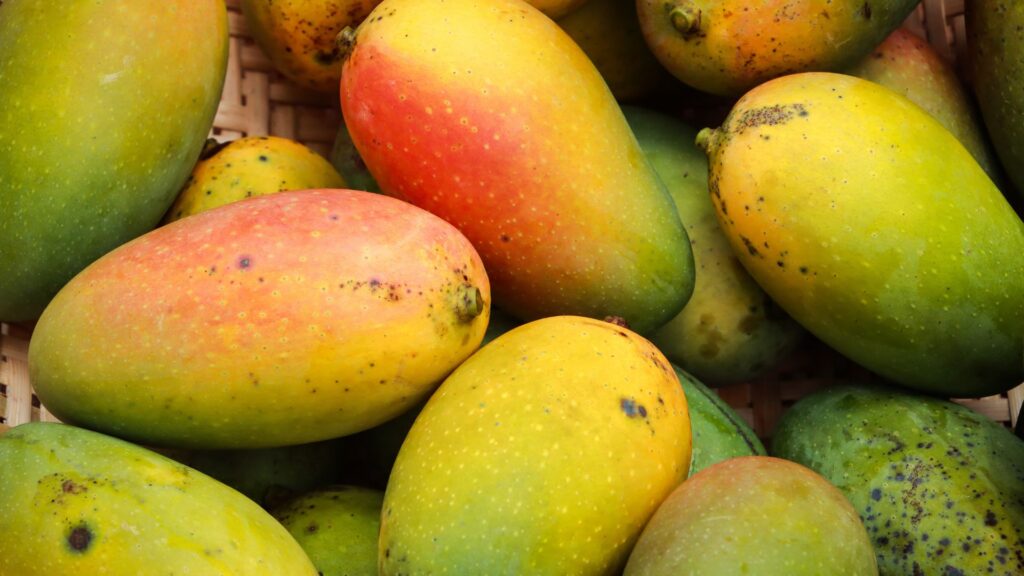
Mango is a fruit known for its rich sweetness and sourness, the classic fruit of summer. In season it is particularly fragrant, with juicy flesh to enjoy. Eaten as it is, of course, and brought into smoothies and salads, where it lifts the colour and taste of the whole dish. Keep it in the fridge once ripe and take it out just before eating to hold its flavour. -
The benefits of kiwi fruit
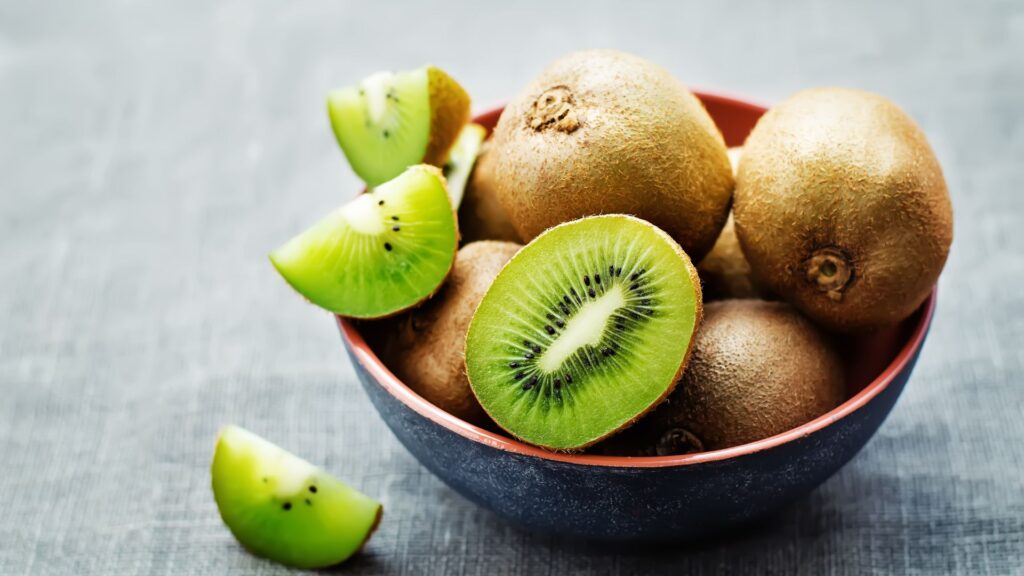
Kiwi fruit has a fine balance of sour and sweet and is known for being rich in vitamin C. As well as eating it as it is, adding it to yoghurt, a salad or a smoothie brings freshness. When keeping it, leave firm ones at room temperature to ripen and move them to the fridge once ready. Kiwi also works as an accent in cooking, known for its clean taste. -
The benefits of banana
Banana is known for its natural sweetness and creamy texture, which makes it ideal for dessert or breakfast. It is also a popular addition to smoothies and yoghurt. It is easy to carry and easy to keep, which helps when you need energy on a busy day. When choosing a fresh one, a few dark sugar spots on the skin mean it is sweeter and ready to eat.