How workplace wellness connects to the SDGs: five points where they meet
Links on this page include advertising.
In business today, a company's sustainability is weighed more heavily than ever. Workplace wellness and the SDGs, the Sustainable Development Goals, in particular are drawing attention as two wheels of the same cart for company value. Workplace wellness treats staff health as an important company asset and works strategically to maintain and improve it. The SDGs are 17 international goals to be met by 2030, aiming at a sustainable society.
The two are often thought of separately, but they are in fact closely related and hold the potential to reinforce one another. Practising workplace wellness contributes to several of the SDGs and leads to sustained growth and greater social value.

So how do workplace wellness and the SDGs raise company value?
This article digs into how they relate and sets out five points where they meet to raise company value. We cover where things stand in 2025, with concrete examples along the way.
TOC
What workplace wellness is, and where it meets the SDGs
Workplace wellness treats staff health as an important company asset and places maintaining and improving it within management strategy. It is not a benefit but an important investment underpinning sustained growth.
In practice it covers better health checks, mental health care, health education, improving the workplace and promoting work-life balance. These measures not only improve staff health but raise productivity and lower turnover.

The SDGs, meanwhile, are international goals aimed at a sustainable society across environment, society and economy, under the principle of leaving no one behind. They comprise 17 goals and 169 targets, and are an important guide for companies too.
These goals in particular are closely related to workplace wellness.
- Goal 3: Good health and well-being – improving staff health contributes directly to this goal
- Goal 8: Decent work and economic growth – workplace wellness helps create a workplace worth working in
- Goal 5: Gender equality – wellness that includes responding to health issues specific to women also advances gender equality
Work towards these goals not only improves how a company is regarded socially but feeds straight into long-term company value.
Five points where workplace wellness and the SDGs meet to raise company value
Here are five concrete points where practising workplace wellness and the SDGs raises company value. Understand them and use them strategically, and sustained growth follows.
1. Higher productivity and less presenteeism
One of the most direct effects of workplace wellness is higher staff productivity. What deserves particular attention is the effect on presenteeism: being at work but unable to perform as you normally would because of how you feel in mind or body.
Reducing presenteeism through wellness work contributes to SDG 8, decent work and economic growth, while raising productivity and profitability at the same time.
2. Attracting and keeping people
With Japan's workforce shrinking, attracting good people is essential to sustained growth. Wellness work has become an important factor in being a company people choose, particularly among younger candidates and women.

Investing in staff health also lowers turnover. At companies that push wellness hard, engagement tends to rise and people stay longer. That contributes not only to SDG 8 but to SDG 10, reduced inequalities, and strengthens the company's human capital.
What workplace wellness does for recruiting: the data on hiring power
3. Supporting women at work and building diversity
An important side of workplace wellness is responding to health issues specific to women, such as PMS, the menopause, feeling the cold and constipation. A company that gives thought to these hard-to-mention complaints builds an environment where women can work well. Supporting women through their health contributes directly to SDG 5, gender equality. An environment where diverse people can do their best work raises innovation and adaptability to the market, and with them company value.
A health support programme built on Yasai Yakuzen, for instance, comes at health issues specific to women through food, and helps build a workplace where women can work well.
- How workplace wellness changes the future for women at work: the front line of employee benefits
- Health issues for women at work and what actually helps: the moves that raise company value

4. Attracting ESG investment and improving how the company is assessed
Work on wellness and the SDGs is weighed in ESG, environmental, social and governance, investment criteria too. ESG investment grows every year, and as of 2025 it is an important indicator in institutional investors' decisions.
Health and Productivity Management certification, including the White 500, improves how investors regard you. In practice, about 80% of the 225 companies in the Nikkei Stock Average respond to the Health and Productivity Management Survey, and among large companies wellness is becoming standard.
Better outside assessment strengthens a company's ability to raise funds and underpins long-term growth.
5. A stronger brand and public trust
Active work on wellness and the SDGs also raises brand value. As consumers and customers grow more interested in corporate responsibility, this work improves the company image.
For companies offering health-related products and services in particular, practising wellness is an important sign that principles and business match. The question of whether a company that cannot look after its own staff's health can support its customers' health matters when it comes to winning trust.
Public trust raises customer loyalty over the long term and brings new customers, and with them company value.
Companies putting wellness and the SDGs together in practice
Let us look at companies practising workplace wellness and the SDGs together. These examples show how work that draws on the link between them raises company value.
Workplace wellness with Yasai Yakuzen
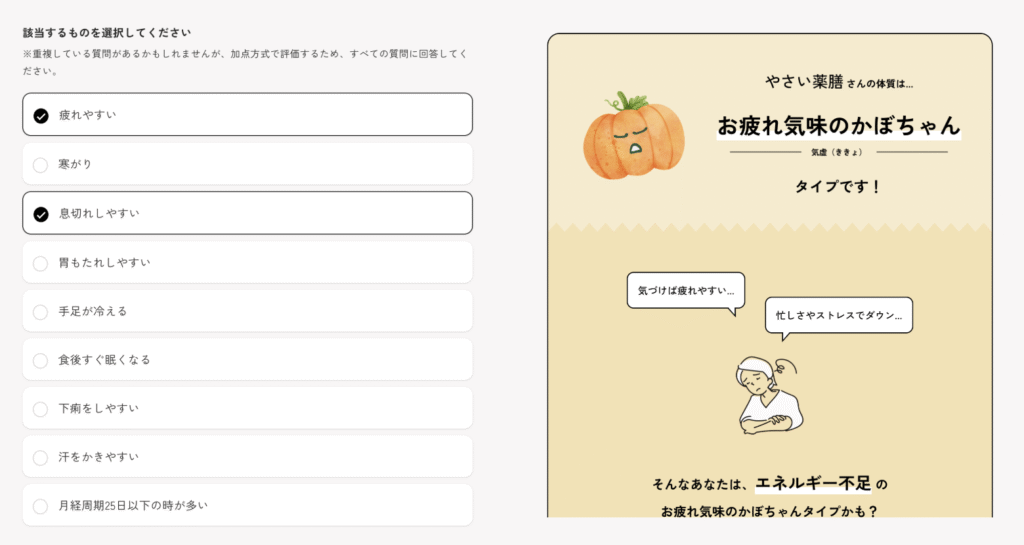
The Yasai Yakuzen wellness programme is a health support approach that combines the wisdom of yakuzen, grounded in Chinese medicine, with a practical way of eating built on everyday vegetables. Because it uses supermarket vegetables rather than special kampo ingredients, it is easy to keep up.
The programme runs from a constitution check for staff through individual health consultations to suggestions for eating better. Making health visible by team also makes it possible to plan effective measures.
This work contributes not only to SDG 3, good health and well-being, but to SDG 12, responsible consumption and production. Using everyday ingredients also cuts food waste and supports sustainable consumption.
Certified companies in practice
Companies certified as Health and Productivity Management Organizations, including the White 500, show wellness and the SDGs being pushed together. At Nomura Real Estate Solutions, for example, wellness sits alongside business built with the SDGs in mind, from using renewable energy to putting empty houses to use.
ITO EN has drawn up the ITO EN group's Ikiiki Health Declaration and works to maintain and improve staff health. As a company offering health-related products, its own practice of wellness shows that principles and business match, and raises brand value.
At these companies, wellness and the SDGs reinforce one another and raise company value.
Practical steps for raising company value through workplace wellness and the SDGs
Here are concrete steps for raising company value through workplace wellness and the SDGs. What matters is working through them in stages, to suit where your company is.
1. Assess where you are and identify the issues
Start by understanding your own health issues. Analysing health check data and surveying staff identifies where presenteeism stands and which health issues most need attention. At the same time, analyse how your business relates to the SDGs and make clear which goals you can most contribute to. Set out your strengths and your issues from both sides.
2. Build a strategy and set goals
On the basis of that analysis, build a strategy that puts wellness and the SDGs together. Setting concrete goals and KPIs and writing them into the business plan matters.
Set concrete goals, such as cutting losses from presenteeism by a certain share over a few years, or raising the share of women in management in stages, against where you stand now and where your industry stands. Make clear which SDGs those goals contribute to.
3. Act, and make it land inside the company
Act on your goals. Wellness measures might include better health checks, mental health care, nutritional guidance and encouraging exercise.
An approach through food, as with Yasai Yakuzen, works well too. Support that takes each person's situation into account, such as a seven-question constitution check and individual consultations with a yakuzen practitioner, matters. Alongside acting, make it land inside the company. Showing commitment from leadership and sharing why wellness and the SDGs matter across the company is the key to getting it right.
4. Measure the effect and disclose it
Measure the effect of what you do regularly and improve it where needed. Analyse not only health data but how it relates to business indicators such as productivity and staff satisfaction.
Disclose the results properly inside and outside the company. Communicating your wellness and SDG work actively through integrated reports and sustainability reports improves how stakeholders regard you.
In summary: putting wellness and the SDGs together raises company value
Workplace wellness and the SDGs are important management strategies that contribute both to sustained growth and to social value. Understand how they relate and practise them together, and company value rises in these ways.
- Higher productivity and less presenteeism
- Attracting and keeping people
- Supporting women at work and building diversity
- Attracting ESG investment and improving how the company is assessed
- A stronger brand and public trust
In management from here on, wellness and the SDGs are elements to treat as investment rather than cost. Weighing staff health and social responsibility, rather than chasing short-term profit alone, is what raises company value over the long run. Push wellness and the SDGs together in a way that suits your situation, and build sustainable growth.
To learn more about the health support programme built on Yasai Yakuzen and what it does for workplace wellness in practice, see Workplace wellness built on vegetables and yakuzen. We offer a new form of workplace wellness that comes at staff health issues through food.
- Six steps for a mid-sized company starting workplace wellness: getting the most from what you spend
- Seven benefits of Health and Productivity Management certification, and what to watch in the application
Related articles
-
 Seven benefits of Health and Productivity Management certification, and what to watch in the application
 -
Six steps for a mid-sized company starting workplace wellness: getting the most from what you spend
-
What workplace wellness does for recruiting: the data on hiring power
-
Femtech literacy makes a company stronger: a new angle on workplace wellness
-
How workplace wellness changes the future for women at work: the front line of employee benefits
-
How to head off the health risks that come with remote work: the case for wellness at home
-
Seven eating habits for staying healthy while working remotely, and the traps to avoid
-
Health issues for women at work and what actually helps: the moves that raise company value