The benefits of pepper
Links on this page include advertising.
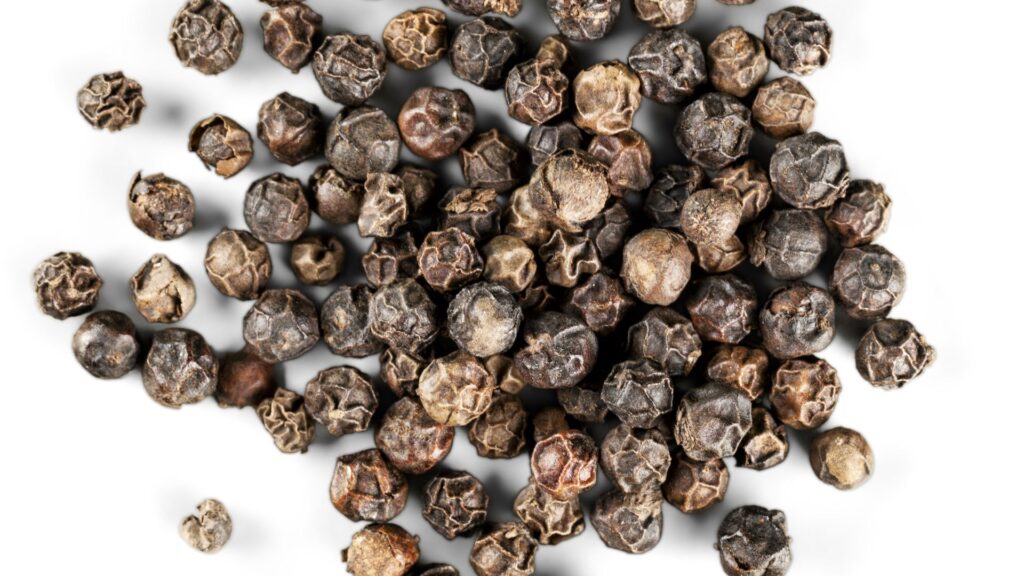 What pepper does
What this vegetable does
It warms the gut, disperses cold and aids digestion. It is used where appetite is poor and the gut unsettled.
How to eat it
Added to cooking as a spice, pepper aids digestion and warms. At its best in stews and soups.
A yakuzen note
Pepper suits a poor appetite and the trouble that comes from cold. It works well in warm dishes.
Pepper is pungent and warm, a spice held to warm the body from within, disperse cold and settle the area around the stomach. It suits daily care when the cold gets into the body, or when you have had too much of cold things, and a little added to a warm dish makes it easy to reach for when you want scent and warmth together. It is the standard spice, indispensable in cooking the world over.
TOC
When pepper is in season, its types, and how to choose it
If you want to enjoy the scent of pepper and what it does, it helps to know the plant it comes from, its types and how to choose it. When the berries are picked and how they are processed change both the scent and the heat, and it is one of the most used spices in the world.
Made from peppercorns, grown mainly in India and Vietnam
Pepper is a spice made by drying the small berries of a climbing plant in the pepper family. Native to India, it has long been called the king of spices and has been used in cooking around the world. When the berries are picked and how they are processed divides them into black, white, green and others. Available all year as a dried spice, it can go into cooking whenever you like. The main growing areas are Vietnam, the largest producer in the world, along with India, in Malabar and Tellicherry, Indonesia and Malaysia, in Sarawak. Kept as whole corns, the scent lasts far longer.
Black pepper, white pepper and green pepper
Pepper divides into several types according to when it is picked and how it is processed.
| kinds | What stands out |
|---|---|
| Black pepper | Unripe berries dried with the skin on. Strong in scent and heat, for meat |
| White pepper | Ripe berries with the outer skin removed. Rounder, for pale dishes |
| Green pepper | Unripe berries brined or dried. A fresh, green heat |
Black pepper for meat, where you want the scent and heat to come through; white pepper for soups and Chinese dishes where you do not want the colour: choose by the dish. It comes as whole corns, coarsely cracked and ground, and if you want the scent, whole corns ground just before use suit best. Play to the character of each colour and each level of heat and pepper shows its best.
How to choose it and how to use it
When picking out good pepper, these are the things to look for.
- Corns of an even size, glossy, without much broken dust among them
- Whole corns rather than ground, if you want the scent to last
- A stated growing area, and the black, white or green that suits your use
Pepper is at its best freshly ground, so buying whole corns and grinding them in a mill just before cooking is the way to go. Cracked coarse, the scent and texture come forward; ground fine, it blends throughout. The scent goes off with too much heat, so a twist at the end keeps it. Since a little sharpens the flavour, adding it as you taste makes it easy to get right.
How to use pepper
The scent and heat of pepper carry it across meat, fish, soups and noodles. Here are the usual ways.
To season meat and fish, and to finish them
Pepper is at its best seasoning meat and fish and finishing them. Rubbed with salt into steak, chicken or pork, the scent rises and the flavour sharpens. A twist of coarsely cracked black pepper over a finished dish brings the scent forward. For white fish and prawns, the gentler scent of white pepper suits. There are dishes that make pepper the lead, such as cacio e pepe, a pasta finished with nothing but black pepper and cheese. Added to a warm dish, it suits the times when you want scent and warmth together.
In soups, stews and noodles
Pepper goes exceptionally well with anything warm and liquid. White pepper dissolves cleanly into Chinese soups, potages and cream stews, where you do not want to cloud the colour. Black pepper adds depth to a pot-au-feu, a curry or a stew. A shake over udon, ramen or yakisoba pulls the flavour together with scent and heat. Added at the end, the scent rises with the steam, which suits a warm bowl in the cold months.
How to keep pepper
Pepper does badly in damp, light and air, and left alone the scent goes. Keep it in an airtight container somewhere cool and dark, away from direct sun and damp. To hold the scent longest, keep it as whole corns rather than ground and grind it in a mill just before use. Grind only what you need rather than a lot at once and the scent stays where it belongs. In damp seasons, keeping it away from hot places such as the side of the hob helps hold the flavour.
Alongside this, it is worth knowing about The benefits of ginger likewise held to warm the body, and a warm one likewise adding savoury heat to cooking, The benefits of chilli as a guide when working with spices.
Indispensable in cooking the world over, pepper is a spice that stays with you when you want to warm the body, from seasoning meat and fish to finishing soups, stews and noodles. Fragrant black pepper, round white pepper and fresh green pepper: choose by the dish and each shows its best. For daily care in the season when the cold is on your mind, bring freshly ground pepper into your days.