[Updated 2025] A basic guide to vegetable yakuzen: Chinese medicine you can start with everyday ingredients
Links on this page include advertising.
Vegetable yakuzen brings the wisdom of Chinese medicine into how we eat now, and anyone can start it. Without special kampo medicines or rare ingredients, everyday supermarket vegetables can be put to work towards a better constitution and easier off-days.
I met yakuzen when a doctor ordered me to stop through overwork. My health had broken down, and while looking for the cause I came across the thinking of Chinese-medicine yakuzen and was struck that the power of ingredients could settle the body. From the day I wished I had known sooner, I came to want to pass what I know of yakuzen on to as many people as possible.
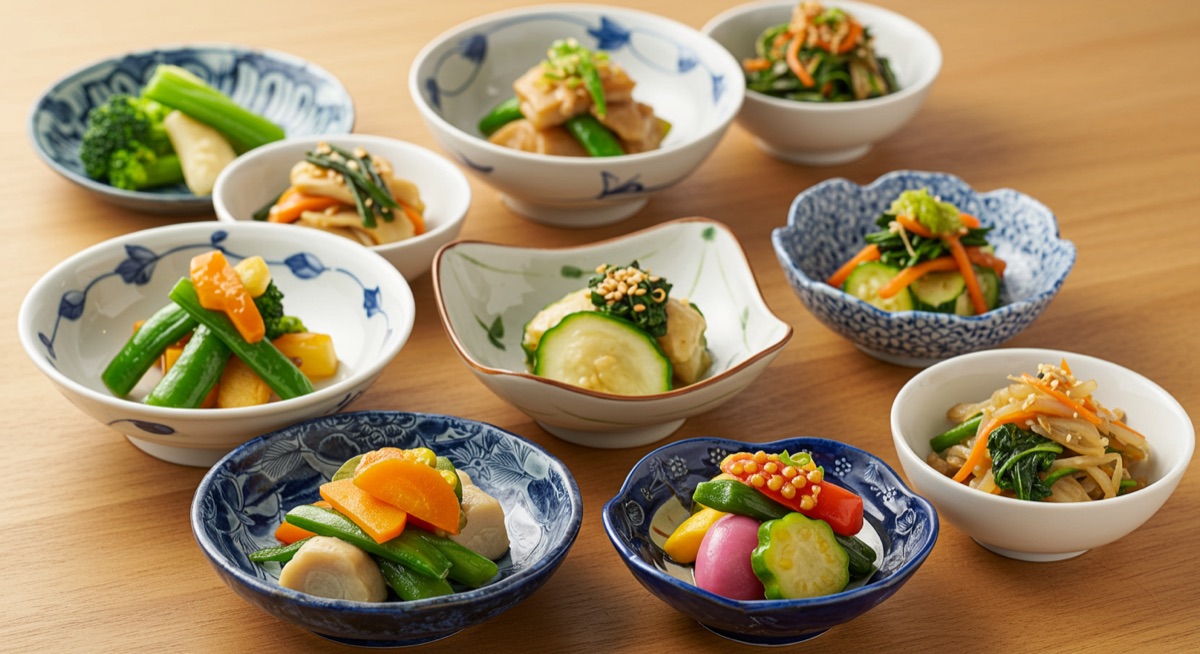
Chinese medicine has the idea that food and medicine share a source: medicine and food come from the same place, and everyday meals can be medicine. Vegetable yakuzen builds on that, settling the balance of body and mind through ingredients and cooking chosen for constitution and season.
What makes vegetable yakuzen most appealing is that nothing special has to be prepared. Onion, cucumber, tomato, ginger: the vegetables you eat without thinking have the power to settle the body.
TOC
How Chinese medicine sees ingredients
Chinese medicine holds that ingredients have a nature and a flavour. Understanding this brings the basics of vegetable yakuzen into view.
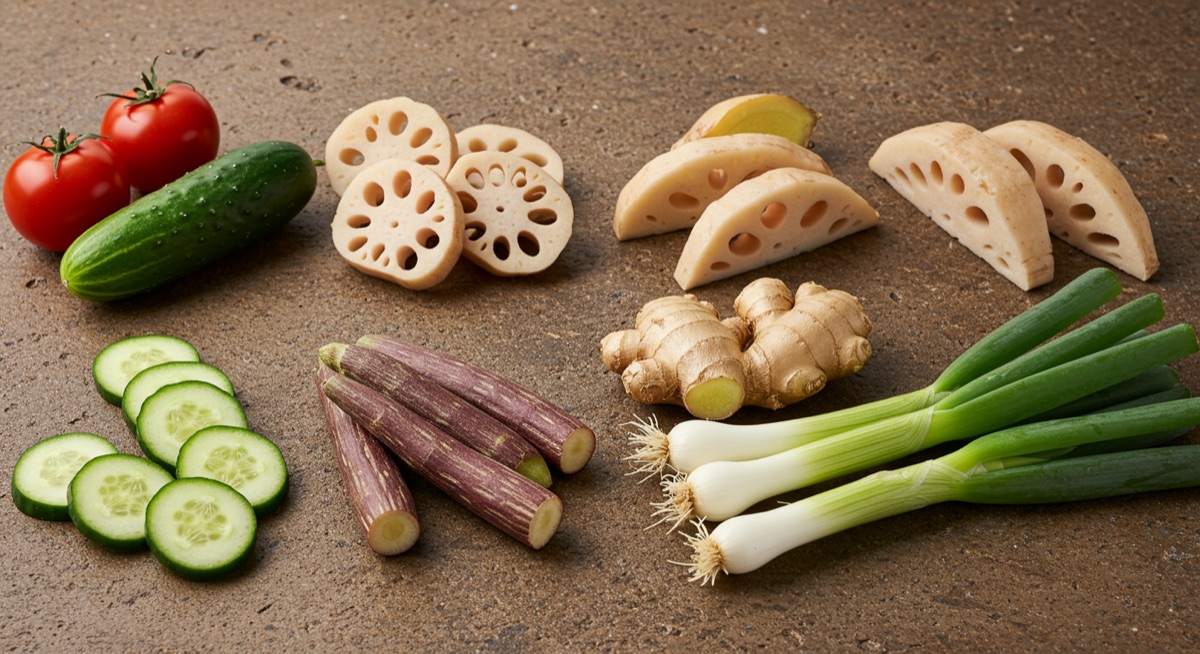
The natures fall broadly into five: hot, warm, neutral, cool and cold. Ginger and spring onion are warm and warm the body; cucumber and tomato are cool and cool heat in the body. What matters is bringing these in, in balance, to suit your constitution and the season.
Ingredients also have five flavours: sweet, sour, bitter, pungent and salty, each acting on a particular part of the body.
When my health broke down, the first thing I looked at again was what I ate. I wanted to ease how much I felt the cold, so one midwinter night my husband and I drank a yakuzen soup before bed. The next day, to our surprise, neither of us was cold; we were warm through. That taught me you can bring yakuzen thinking in with everyday vegetables, without doing anything special. I now pass on what makes yakuzen you can start with everyday ingredients worth having.
Vegetable yakuzen by constitution
Chinese medicine sorts people broadly into a number of constitution types. Knowing yours lets you practise vegetable yakuzen more effectively.
The phlegm-damp constitution
If you swell easily, feel heavy and tire easily, you may be of the phlegm-damp constitution, where the metabolism of water is not working well. Water-draining ingredients are the ones here: burdock, winter melon, sweetcorn and adzuki bean work well. Winter melon in particular drains excess fluid and helps with swelling. How you cook matters too: avoid dishes heavy in oil and go for clean-tasting steamed and simmered ones.
The yin deficiency constitution
If flushing and dryness are on your mind and you have trouble falling asleep, you may be of the yin deficiency constitution, where the body's moisture runs short. Moistening ingredients are exactly right here. Make a point of cool and cold ingredients such as white wood ear, Japanese yam, sweetcorn, cucumber and tomato.
The blood stasis constitution
If you feel the cold and get stiff shoulders and period pain, you may be of the blood stasis constitution, where the circulation of blood has stalled. Ingredients that help circulation work well: bring in warm and hot ones such as onion, garlic, ginger and coriander. Onion in particular is held to thin the blood.
I went through a period of badly stiff shoulders from desk work myself. Making a point of onion and ginger in everyday meals eased it, bit by bit.
The blood stasis constitution
If you feel the cold and get stiff shoulders and period pain, you may be of the blood stasis constitution, where the circulation of blood has stalled. Ingredients that help circulation work well: bring in warm and hot ones such as onion, garlic, ginger and coriander. Onion in particular is held to thin the blood.
I went through a period of badly stiff shoulders from desk work myself. Making a point of onion and ginger in everyday meals eased it, bit by bit. Which constitution do you think you are?
Find your constitution in detail with the vegetable yakuzen check
Yakuzen wisdom for the seasons
Chinese medicine also treats adjusting what you eat as the seasons change as an important idea. Staying alongside nature's rhythm makes it easier to settle how you feel.
Spring yakuzen
Spring is the Liver's season, when the Liver works harder. What matters is getting the Liver's qi circulating and settling the flow of qi and blood. Bringing in citrus and aromatic herbs, which settle the circulation of qi, is the way.
Summer yakuzen
Summer is the Heart's season. The heat drains your strength, so cool and cold ingredients suit it. Cucumber, tomato, watermelon and winter melon are ideal. For heading off summer fatigue in particular, bitter vegetables are the ones: the bitterness of bitter melon and lettuce is held to settle the Heart and cool heat.
Autumn yakuzen
Autumn is the Lung's season. It is a dry time, so moistening ingredients matter. White and yellow ingredients such as white wood ear, Japanese yam, pear and persimmon are held to moisten the Lung. It is also the harvest season, so make a point of root vegetables. Lotus root, carrot and burdock build up what the body stores.
Winter yakuzen
Winter is the Kidney's season. Warm and hot ingredients suit it. Aromatic vegetables such as spring onion, ginger and garlic, and root vegetables such as kabocha squash and sweet potato, are the ones. Ginger in particular is the classic ingredient of winter yakuzen. It warms the body from within and is held to build resilience. Adding a little to everyday cooking already makes the body easier to warm.
I have a habit of drinking ginger tea every winter. My work in digital marketing keeps me at a computer for long stretches, so I feel the cold. Since I started drinking it, winter's cold has eased a great deal.
What each vegetable does in yakuzen, and how to use it
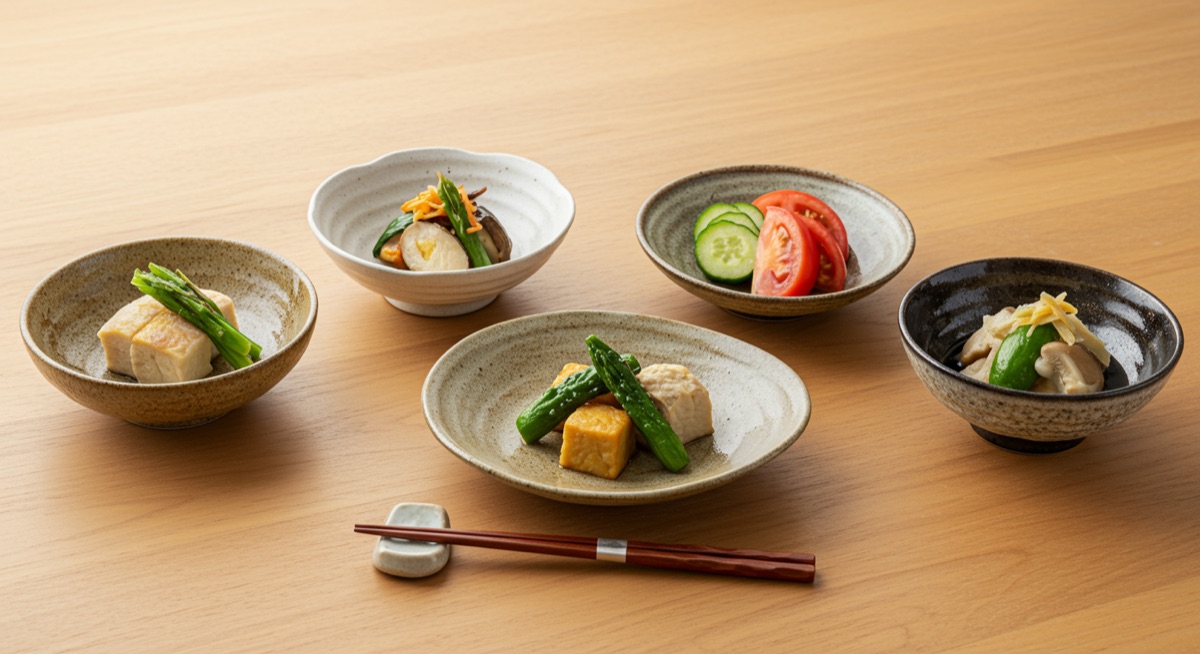
Everyday vegetables have a range of yakuzen properties of their own. Knowing what the vegetables you already eat do makes everyday meals more enjoyable, and kinder to the body.
Onion
Onion is warm and thins the blood. It is a vegetable that helps circulation and eases feeling the cold. In yakuzen terms, sliced and eaten raw it helps circulation more; cooked slowly to draw out its sweetness, it can be expected to warm the gut. It suits anyone bothered by the cold or by stiff shoulders. What onion does
Cucumber
Cucumber is cold: it cools heat in the body and encourages the passing of water. It works well for heading off summer fatigue and for swelling. Salted and squeezed, it drains excess fluid more; dressed with vinegar, it can be expected to help with recovering from tiredness too. It is the vegetable summer cannot do without. What cucumber does
Tomato
Tomato is cool: it cools heat in the body and brings moisture. It helps against summer heat and with dry skin. Eaten raw it cools more; heated, it shifts towards warming the body. Choose how you cook it to suit how you feel and the season. What tomato does
ginger
Ginger is hot: it warms the body and encourages sweating. It works well for easing the cold and for keeping colds off. Yakuzen treats it as an important ingredient, sometimes called the chief of a hundred remedies. Grated, it encourages sweating and brings heat down; sliced, it can be expected to warm the gut. Adding a little ginger to everyday cooking already makes the body easier to warm. What ginger does
What do the vegetables in your fridge right now actually do?
Easy vegetable yakuzen recipes, even for beginners
There is no need to overthink vegetable yakuzen. Start with easy recipes made from everyday ingredients.
Warming ginger and onion soup
A soup that works well for easing the cold and helping circulation. The warming effect of onion and ginger warms you to the core. Slice the onion thinly and chop the ginger finely. Fry the onion in olive oil until translucent, add water and simmer. Add the ginger at the end and season with salt. That is all. Simple, but excellent at warming the body.
This is the recipe I always make when a cold is coming on or the cold is hard to bear. My work in digital marketing sometimes keeps me up late, but this soup warms me and I sleep soundly.
Winter melon soup for swelling
A soup that works well for swelling and the metabolism of water. The water-draining action of winter melon clears excess fluid from the body. Peel the winter melon, cut it into bite-sized pieces and simmer with dried shrimp. Season at the end with salt and a little sesame oil. That is all. It tastes clean and fresh and suits a hot summer day.
Cucumber and tomato salad for recovering from tiredness
A salad that works well for heading off summer fatigue and for recovering from tiredness. The cooling nature of cucumber and tomato cools heat in the body. Cut the cucumber and tomato into easy pieces and dress with salt, olive oil and lemon juice. That is all. Simple, but it eases a body worn out by the summer heat.
Having broken my health through overwork, I came to take a particular interest in food for tiredness. I often make this salad as part of dinner on a busy day.
How to bring vegetable yakuzen into daily life
Keeping vegetable yakuzen going is less about doing anything special than about bringing it into everyday meals a little at a time.
Start by knowing your constitution. Choosing ingredients to suit it, whether you feel the cold or tire easily, is the basis of Chinese medicine. Watch how you feel from day to day and get a sense of which way you lean.
The next thing to keep in mind is choosing vegetables in season. Seasonal vegetables are rich in nourishment and often hold exactly the qualities that time of year calls for. Whatever is cheap at the supermarket is precisely what suits the season.
And how you cook is an important element too. Cool the body with raw vegetables in summer and warm it with simmered and fried dishes in winter, adjusting to the season and to how you feel.
Most important of all is not trying to change everything at once. Adding one seasonal vegetable to your daily miso soup is yakuzen in practice. I started there myself, and gradually came to feel my body change.
Yakuzen is a way of staying well that you can start with everyday vegetables, without special ingredients or difficult knowledge. Small daily adjustments build the health you will have. Why not start a life with vegetable yakuzen in it, from one dish today?
Yasai Yakuzen, which you can start with everyday ingredients
- What is yakuzen? The meaning of food and medicine sharing a source, and the basic ideas
- Starting a yakuzen life with everyday vegetables: easy ways to use them, and what they do
Related articles
-
 What is yin-yang theory in yakuzen?
 -
What is five-phase theory? The idea at the root of Chinese medicine
-
What are qi, blood and fluids in yakuzen?
-
[Updated 2025] Easy yakuzen recipes from everyday ingredients, and how to work them into your life
-
Why yakuzen is drawing attention from busy men today: three effects and how to practise it
-
How I started a business through yakuzen: what I would tell you
-
Starting a side business with yakuzen: the road from no experience to income
-
Nine tips for keeping yakuzen going, and how to make it a habit