The benefits of sweetcorn
Links on this page include advertising.
 What sweetcorn does
What this vegetable does
Held to clear excess heat and damp from the body and to ease swelling by encouraging the passing of water.
How to eat it
Boil it and eat it as it is, or add it to a soup or a stir-fry to bring the sweetness forward.
A yakuzen note
Sweetcorn is said to clear excess heat from the body and ease swelling and tiredness.
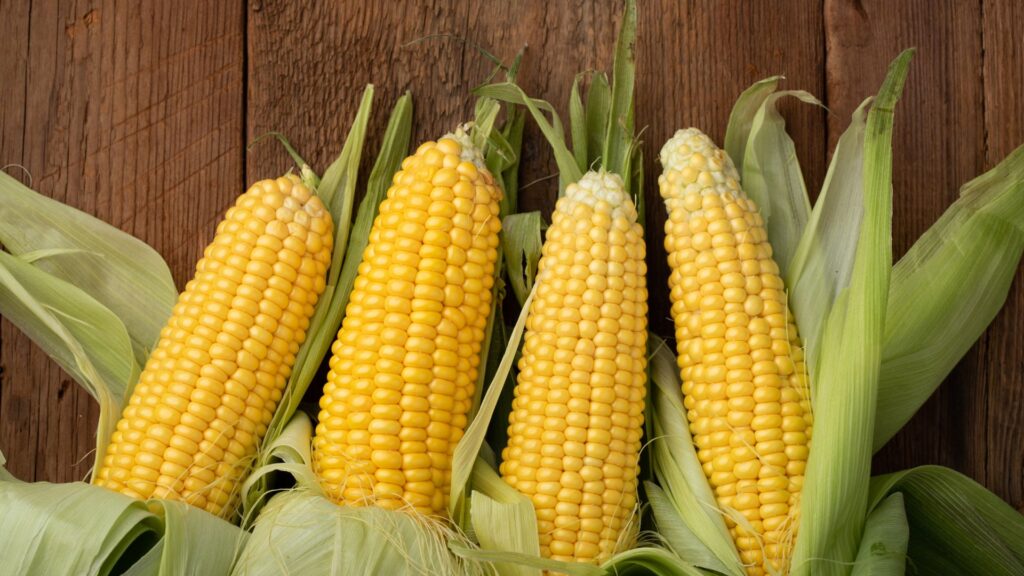
Sweetcorn is a sweet summer vegetable of gentle nature, held to help how the gut works and move excess fluid out of the body. It suits daily care when swelling is on your mind, or when heat and damp leave the body heavy, and the tea brewed from its silk has long been loved as something that helps the circulation of water. Good boiled or grilled, it is an easy vegetable to bring in summer.
TOC
When sweetcorn is in season, the kinds, and how to choose
If you want to bring in what sweetcorn does, deliciously, knowing the season, the kinds and how to choose makes it easier to use. Its appeal is a juicy sweetness and kernels that pop, and it is the vegetable that stands for summer.
In season in summer, with Hokkaido the main producing area
Sweetcorn is a grass-family vegetable in season from early summer into summer, roughly June to September and particularly July to August. Its sweetness starts to fall from the moment it is picked, so boiling it straight after harvest is said to be the best way to eat it. The main producing areas are Hokkaido, which grows more than anywhere in the country, along with Chiba and Ibaraki. Morning-picked corn from a farm shop, or corn sent from a growing area, is exceptionally sweet. Freshness is everything, so cooking it as soon as possible after buying is what to aim for.
Sweetcorn, white corn and baby corn
Sweetcorn comes in several kinds, differing in colour and kernel.
| kinds | What stands out |
|---|---|
| Yellow sweetcorn | The most common. Strongly sweet, good boiled or grilled |
| White corn | Pure White and the like. Tender skins and sweet enough to eat raw |
| Baby corn | Small ears picked young. Crisp, for salads and stir-fries |
For a firm sweetness, yellow sweetcorn; for a tender, refined sweetness, white corn; for crispness, baby corn: choose by use. There are bicolour varieties with yellow and white kernels mixed, which are a pleasure to look at too. Draw on the freshness of something just picked and choose by what each has.
How to choose it and how to blanch it
When choosing good sweetcorn, these points make it easier to tell.
- Deep green husks, juicy and not shrivelled
- Plenty of silk at the tip, browned (the sign that it is ripe)
- Heavy in the hand, looking as though the kernels are tightly packed
Boiling sweetcorn with one or two husk leaves left on keeps the sweetness and the moisture from escaping. Boil for three to five minutes, and rather than dropping it into water, salt it while hot: the kernels tighten and the sweetness comes forward. In the microwave, wrapping it in cling film with the husk on is easy and gives a juicy result.
How to eat sweetcorn
Sweetcorn works widely, from boiling and grilling to rice and soups, drawing on its sweetness and popping texture. Here are the standard ways.
Boiled, grilled and in sweetcorn rice
Where the sweetness of sweetcorn most comes into its own is biting straight into it, fresh from the pot or the grill. Grilled with soy sauce brushed on, its roasted aroma whets the appetite. Kernels stripped and cooked with rice make sweetcorn rice, where the sweetness runs right through, a dish that tastes of summer. The cob carries savour too, so putting it in when cooking rice or a soup gives sweetness and depth. Made with corn just picked, it is sweeter still.
In corn soup, salads and kakiage
Sweetcorn is a pleasure crushed and mixed too. Corn soup, made by blending the kernels, tastes sweeter and deeper if you take stock from the cob. Boiled kernels in a salad or a marinade give an accent of colour and sweetness. Kernels held together in batter and fried as kakiage give a popping texture and sweetness. Butter corn, fried in butter and seasoned with salt, is a dish children love. Even a little added to a soup or a stir-fry improves the colour.
How to keep sweetcorn
Sweetcorn loses freshness quickly, and the longer it sits the less sweet it is. Cooking it as soon as possible after buying is best, but if you cannot eat it soon, put it in a plastic bag with the husk on and stand it upright in the vegetable drawer of the fridge. Boiled, with the kernels stripped and frozen in a bag, it goes straight from frozen into soups, stir-fries and rice. You can also boil it whole, wrap it in cling film and freeze it, taking out a little whenever you need it.
Alongside this, from the same plant, The benefits of corn silk which the silk comes from, and one likewise held to settle the circulation of water, The benefits of Job's tears as a guide when building a summer table.
Sweetcorn, in season in summer, is a summer vegetable whose sweetness and popping texture you can enjoy boiled, grilled, in sweetcorn rice and in corn soup. Sweet yellow sweetcorn, tender white corn, crisp baby corn: using each kind for what it does best brings out what it has. For daily care in the season when swelling, or heat and damp leaving the body heavy, are on your mind, bring freshly picked sweetcorn in.