The benefits of eggplant
Links on this page include advertising.
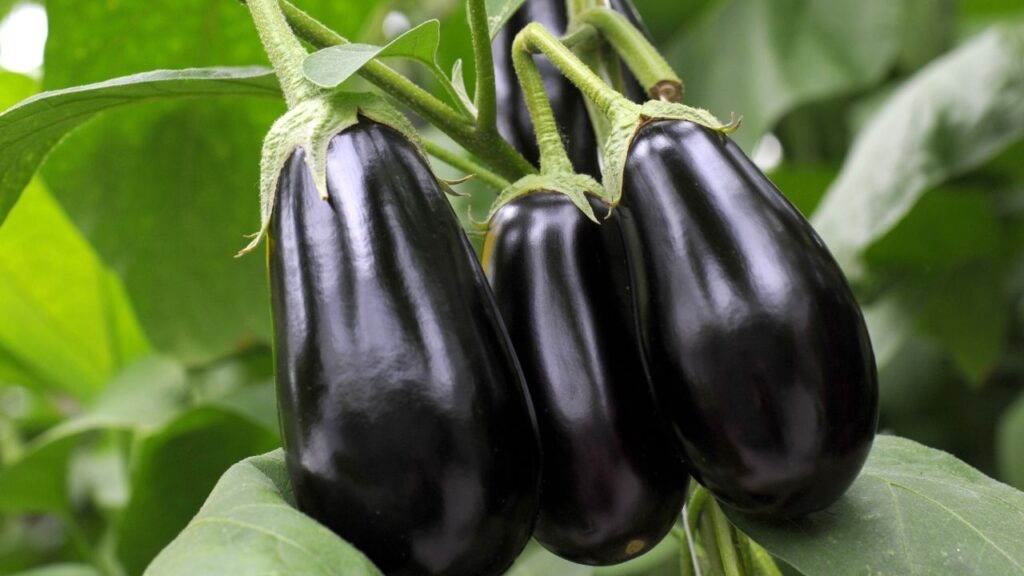 What aubergine does
What this vegetable does
Held to cool excess heat trapped in the body and improve the flow of blood.
How to eat it
Grilled or simmered, its flavour comes forward.
A yakuzen note
It settles the circulation of blood and cools excess heat.
This vegetable, driedDried Kamo eggplant →
Eggplant is a cool vegetable that cools excess heat trapped in the body. It is thought good for signs of heat such as swelling from inflammation, a flushed feeling and a dry mouth, and as well as encouraging the flow of blood and settling circulation, it can be looked to for easing swelling. Brought in during the seasons when heat and damp take the appetite, it is said to leave the body clear and settled.
TOC
When eggplant is in season, the varieties, and preparing it
If you want to bring in what eggplant does, deliciously, start by knowing the season, the varieties and the trick to preparing it. Eggplant is the vegetable that stands for summer, with distinctive varieties in each region, and the dishes it suits vary with the density of the flesh and how much water it holds. The glossy purple skin is part of its appeal.
Eggplant is at its best from summer into early autumn
Eggplant is at its best in summer, roughly June to September. The main producing areas are Kochi, Kumamoto and Gunma, and eggplant in season is juicy, with tender skin and flesh. There is a saying that autumn eggplant is too good to give your daughter-in-law, and early-autumn eggplant has long been held to taste particularly good. In a season when the heat takes the appetite, it is easy to eat hot or cold.
Using Kamo, mizu and beefsteak eggplants
Eggplant has distinctive varieties in each region, and choosing by dish draws out what each has.
| Variety | What stands out | Dishes it suits |
|---|---|---|
| Long and medium-long eggplant | The most common, with tender skin | Stir-fries, grilled eggplant, nibitashi |
| Kamo eggplant (Kyoto) | A round Kyoto vegetable with firm flesh | Dengaku, deep-frying |
| Mizu eggplant (Osaka) | High in water with little harshness | Eating raw, light pickles |
| Beefsteak eggplant | Large and thick-fleshed | Steaks, gratin |
The Kamo eggplant, a traditional Kyoto vegetable, is known for its round shape and firm flesh, and because it holds its shape when cooked it shows well in dengaku and deep-fried. Juicy mizu eggplant suits light pickles and eating raw, and the large beefsteak eggplant suits steaks and baking with cheese: choosing by variety makes it harder to go wrong. Knowing the background of Kyoto vegetables widens the pleasure of choosing a variety.
Drawing out harshness and preventing discolouring
Cut surfaces discolour easily, so if that bothers you, put the pieces into water or lightly salted water for a few minutes straight after cutting. The harshness is what makes it astringent and bitter, and soaking improves the feel in the mouth, but long soaking makes it watery and takes the flavour, so keep it short. The purple of the skin comes from nasunin, a kind of polyphenol, and cooking it so that oil coats it keeps the colour bright. In dishes where you want the colour, cooking it unpeeled is what to aim for.
How to eat eggplant
Eggplant has little to object to and is an all-purpose vegetable that sits well in Japanese, Western and Chinese cooking alike. Here are the standard recipes that draw on how well it goes with oil, along with how to keep it. Bring its nourishment and texture into your seasonal cooking.
Grilled eggplant and nibitashi for the savour
Grilled eggplant, charred in the skin, then chilled and eaten with ginger and soy sauce, is a summer standard. You get the sweetness and aroma of the eggplant itself. Fried and steeped, or simmered as nibitashi, it takes up the dashi and turns soft in the mouth, good hot or cold. Grilled under a grill, in a toaster oven or over a fish grill until the skin is quite black, the skin slips off and the flavour is roasted. In a hurry, scoring it and cooking it in the microwave is easy. It takes seasoning readily, so even a short time gives a deep taste.
Stir-fries and mapo eggplant, where oil suits it
Eggplant goes well with oil, and frying gives it depth and a soft richness. Mapo eggplant, or a miso stir-fry with green pepper, is a dish that has you reaching for rice. Eggplant soaks up oil easily, so to keep it from taking too much, these adjustments help.
- Rub a little oil into the skin and cut surfaces before frying
- Salt it to draw out water before frying
- To use less oil, score it and cook it in the microwave first
Kabayaki-style, fried on both sides in a pan and coated in a sauce, and dengaku-yaki topped with cheese, are popular too. Eggplant also goes well in Western dishes such as curry, ratatouille and pasta. It is a useful vegetable at the summer table, keeping its nourishment and its texture.
Pickled, and as dried eggplant
Varieties high in water and sweet, such as mizu eggplant, show their character in light pickles and nukazuke. They make a clean-tasting palate-cleanser that suits hot weather. Dried eggplant, rehydrated into a miso soup or a simmered dish, has its savour concentrated and is handy. To try it easily, a dried product such as Kyoto-grown dried Kamo eggplant is convenient.
Keeping eggplant, which dislikes the cold
Eggplant is vulnerable to cold and to drying, and over-chilling causes cold injury and spoils it easily. Wrap it in newspaper or kitchen paper, put it in a plastic bag and keep it in the vegetable drawer without over-chilling. Outside summer, it keeps a few days somewhere cool and dark with air moving. If you cannot use it up, grilling or frying it before freezing keeps the moisture in and lets you use it later. Use drying and freezing well and even a glut in season need not go to waste.
Alongside this, it is worth knowing about The benefits of cucumber or The benefits of tomato, The benefits of bitter melon likewise in season in summer and held to ease heat in the body, as a guide when planning a summer menu.
Eggplant, in season from summer into early autumn, goes well with oil and works in Japanese, Western and Chinese cooking alike. Grilled, stir-fried or pickled, bring it to your summer table as the mood takes you.