The benefits of lemon
Links on this page include advertising.
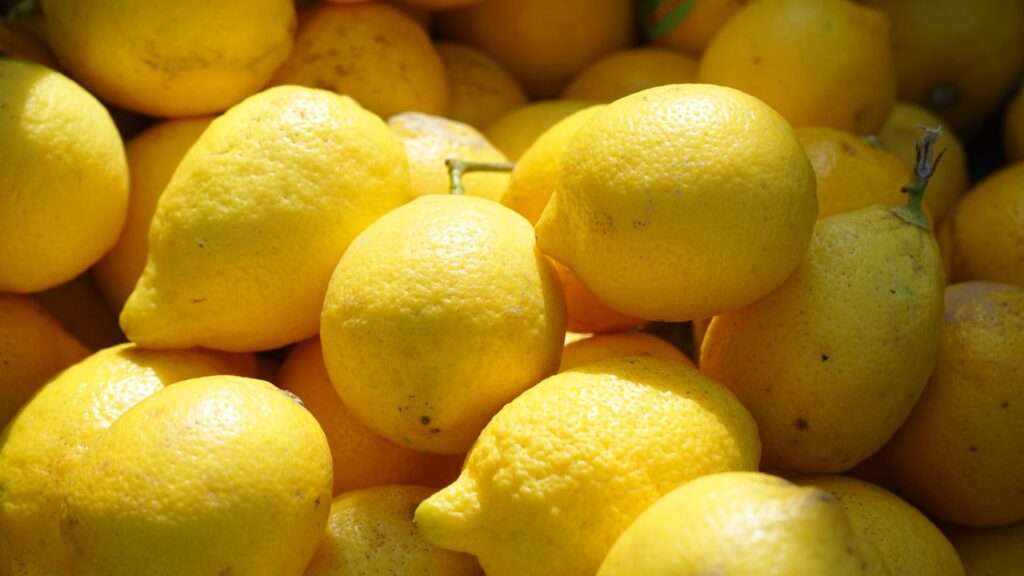 What lemons do
What this vegetable does
It replenishes the body's fluids and eases a dry throat and the effects of heat.
How to eat it
Slices or juice added to a dish or a drink give a fresh acidity.
A yakuzen note
It moistens a body dried by heat and tiredness, and can be looked to for refreshing you.
This vegetable, driedDried lemon →
Lemon is held to moisten the body, and can be looked to for easing a dry throat in particular. Sour and sweet, it also cools heat in the body. It helps with recovering from tiredness too, which makes it exactly right for summer heat and winter dryness. Slices and juice are easy to bring into cooking and drinks, and support healthy living day to day.
TOC
When lemons are in season, Japanese versus imported, and how to choose
If you want to bring in what lemons do, deliciously, knowing the season, the difference between Japanese and imported, and how to choose makes them easier to use. Their fresh aroma and acidity work widely, from drinks to cooking.
Japanese from autumn into spring, imported all year
Japanese lemons are in season from autumn into spring: green-skinned lemons roughly October to December, and fully ripe yellow lemons roughly January to May. The main producing areas are Hiroshima and Ehime, with much of the growing on the islands of the Seto Inland Sea. Hiroshima grows more than anywhere in Japan, with Ikuchijima, around Setoda, well known, and yellow lemons appear in the shops in winter. Lemons imported from the United States, Chile and elsewhere come in at different times, so they are in the shops almost all year. Japanese lemons in season for a sharp aroma, imported for easy year-round use: choose by use. Green lemons, in the shops in autumn, are more strongly aromatic than yellow ones with a sharper acidity, and sliced thin skin and all alongside a sour or a dish, they give you the flavour of the season.
How Japanese and imported lemons differ
When you want to use the skin, knowing the difference between Japanese and imported makes choosing easier.
| Japanese lemons | Imported lemons | |
|---|---|---|
| When they are in the shops | Mostly autumn into spring | Almost all year |
| Using the skin | Easy to use skin and all | Watch for fungicides and wax |
| What they suit | Zest, salted lemons | Squeezing for juice |
Imported lemons may be treated with fungicides such as imazalil and OPP, and with wax, to prevent damage in transit. When using the skin, check for a label saying no fungicide has been used, or choose Japanese lemons to be sure. Either way, when using the skin, scrub it with a little salt and rinse it well under running water first.
How to choose a good lemon
When choosing lemons, these points make it easier to tell which hold the most juice.
- Taut, glossy skin, even in colour
- Heavier in the hand than it looks
- Skin not too thick, and smooth
A heavy one holds plenty of juice. One with thick, knobbly skin can be light on flesh, so choosing a smooth one gives more juice when squeezed.
How to use lemons
Lemon is a fruit where both juice and skin can be used. Here is how to use its acidity and aroma, split into juice, skin and keeping.
The juice, in drinks and cooking
Squeezed juice is easy in drinks: topped up with water or soda as lemonade, or with hot water and honey. In cooking, combined with olive oil as a dressing, or squeezed over fried chicken or grilled fish, its acidity tightens the taste. A little to finish a stew or a sauce pulls the flavour together. Floated in tea it makes lemon tea, and added to alcohol it works in a lemon sour or as a cocktail mixer. The aroma of the juice goes quickly, so squeezing it just before use keeps it.
The skin, or zest, for aroma
Lemon skin carries a rich aroma too. Zest, the grated yellow surface, gives a clean aroma to cake batter, cream, pasta and salads in small amounts. Salted lemon, made by slicing it thin skin and all and packing it in salt, is a useful seasoning for marinating meat and fish and for stews. Lemon peel simmered in sugar suits baking and works as a sweet on its own. When using the skin, as above, choose Japanese lemons or wash them well first.
How to keep them, and dried lemon
Keep whole lemons in a plastic bag in the vegetable drawer of the fridge to stop them drying. Wrap a cut one at the cut surface in cling film and use it soon. When you have a lot, cut them into rounds or wedges and freeze them, ready to drop into a drink from frozen or squeeze into a dish. Salted lemon, packed skin and all in salt, or lemon syrup with sugar, keeps for a long time. Dried lemon is easy to use in drinks and as a topping for baking, and how to use and keep dried lemon is worth reading as a guide, which widens what you can do with it.
Alongside this, a fellow citrus likewise held to moisten the body, The benefits of mandarin orange as a guide when building a seasonal table.
Lemon, in season from autumn into spring, is a highly aromatic fruit where both juice and skin can be used. Lemonade, dressings, zest, salted lemon: use juice and skin for different things and nothing goes to waste. Bring its fresh acidity into your everyday cooking and drinking.