The benefits of unrefined brown sugar
Links on this page include advertising.
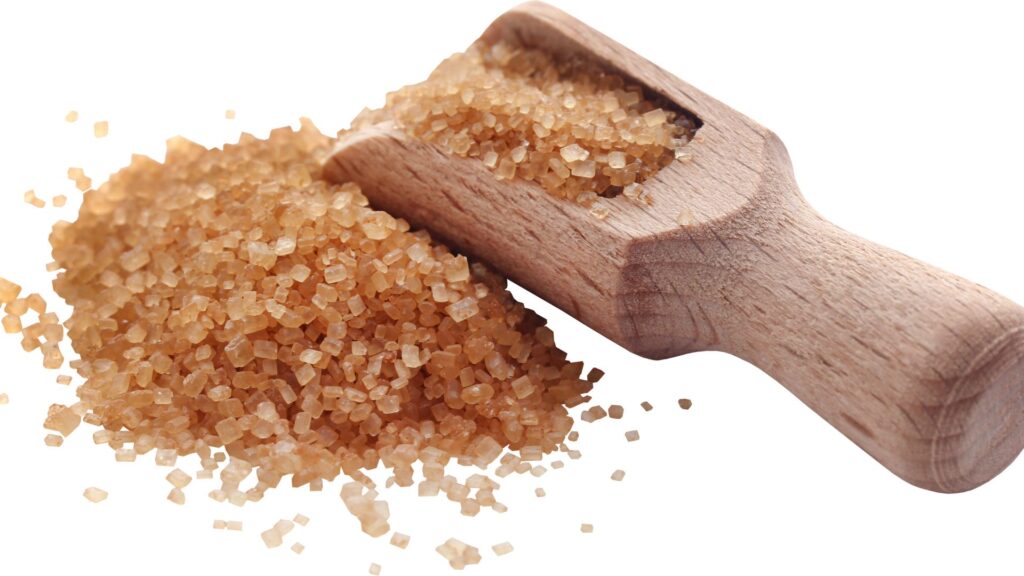 What black sugar does
What this vegetable does
It warms the stomach, replenishes where the body is run down, improves the flow of blood and eases pain of various kinds.
How to eat it
Dissolve it in hot water and drink it, or use it as a sweetener in desserts and cooking.
A yakuzen note
Unrefined brown sugar is held to warm the gut and work well on stomach pain and period pain brought on by cold.
Unrefined brown sugar is a sweet, warm sweetener, held to warm the gut from within and encourage the circulation of blood. It suits daily care when you feel the cold, or when trouble brought on by cold is on your mind, and it is an easy sweetness to bring in when you want to warm the body. As a drink dissolved in hot water, or as a sweetener in cooking and confectionery, it is easy to use day to day.
TOC
When unrefined brown sugar is made, the kinds, and how to choose
If you want to bring in what unrefined brown sugar does, deliciously, knowing when the raw material is in season, the kinds and how to choose makes it easier to use. Its appeal is the depth of sugar cane and a complex sweetness with a faint bitterness in it, and it is a sweetener of long standing.
The cane is in season from winter into spring, with Okinawa and Amami the main producing areas
Unrefined brown sugar is made by boiling down the juice of sugar cane, and unlike white sugar it is unrefined, a sugar that keeps its molasses. The cane is harvested at its peak from winter into spring, roughly December to March, and that is when it is made across the producing areas. The main ones are Okinawa Prefecture and Amami Oshima in Kagoshima Prefecture, with islands such as Hateruma, Tarama and Iriomote each making a sugar of its own character. It keeps and is available all year, but when the new sugar comes in you can enjoy it freshly made and at its most fragrant.
Pure, blended, and island by island
Unrefined brown sugar comes in several kinds, differing in depth and flavour by raw material and by how it is made.
| kinds | What stands out |
|---|---|
| Pure | Made from sugar cane juice alone. Deep in flavour and strongly fragrant |
| Blended | Brown sugar with raw sugar or molasses added. Consistent in taste and easy to use |
| Island by island | Hateruma, Tarama, Iriomote and others. Sweetness and aroma vary by origin |
For depth and aroma, pure brown sugar is the one; for everyday use, the consistent blended sort. Blocks can be gnawed or shaved as they are, while powder dissolves easily into drinks and cooking, so choose by how you will use it.
How to choose it and how to use it
When choosing good unrefined brown sugar, these points make it easier to tell.
- For depth of aroma and sweetness, pure brown sugar made from sugar cane alone
- A stated origin, glossy and not sticky with damp
- Block or powder, chosen to suit how you will use it
Unrefined brown sugar has more depth and a faint bitterness compared with white sugar, so using it in simmered dishes and confectionery gives the taste depth. When it clumps and will not dissolve, melting it in a little hot water as kuromitsu makes it easier to use. In cooking, replacing part of the white sugar with brown gives a richer flavour. Its depth is strong, so add it a little at a time to delicately flavoured dishes and adjust.
How to use unrefined brown sugar
Unrefined brown sugar works widely, from drinks to cooking to confectionery, drawing on its deep sweetness. Here are the standard ways.
In hot drinks and simmered dishes
What brings out the most in unrefined brown sugar is a hot drink, dissolved in hot water or tea. Ginger and brown sugar in hot water, with grated ginger added, is exactly the cup for cold weather when you want to warm up. Dissolved in milk or soy milk, it makes a gently sweet drink. In simmered dishes, added to braised pork belly, simmered beans or nikujaga, it gives depth and body and a good shine. Simply replacing part of the white sugar with brown makes your usual simmered dish richer.
As kuromitsu and in confectionery
Unrefined brown sugar is also loved as a sweetener in Japanese confectionery. Kuromitsu, made by melting it down, goes beautifully with warabimochi, anmitsu, tokoroten and kinako dango. Confectionery made with it, such as kokuto manju, karinto and kokuto kuzumochi, is known for its deep sweetness. Poured over yoghurt, ice cream or toast, it is richly fragrant. Combined with kinako, the roasted aroma and the depth come forward for a simple, homely snack.
How to keep unrefined brown sugar
Unrefined brown sugar is vulnerable to both damp and dryness, and left alone it readily turns sticky or sets hard. Keep it in an airtight container or bag somewhere cool and dark, out of direct sunlight. If it dries out and hardens, putting a torn piece of bread or a little moisture in with it lets it take up damp and soften again. The fridge actually makes it set harder, so room temperature suits it. Powder sets easily with damp, so keeping it in small portions makes it easier to use.
Alongside this, it is worth knowing about The benefits of ginger likewise held to warm the body, and what is combined with brown sugar in yakuzen teas, The benefits of jujube as a guide when building a table for the seasons when the cold is on your mind.
Unrefined brown sugar, known for the depth of sugar cane, is a long-standing sweetener that stays alongside you when you want to warm the body, in hot drinks, simmered dishes, kuromitsu and confectionery. Deep pure brown sugar, easy-to-use blended sugar, and sugars that differ island by island: choosing by kind brings out what each has. For daily care in the seasons when the cold is on your mind, bring unrefined brown sugar in as a gentle sweetness.