The benefits of chestnut
Links on this page include advertising.
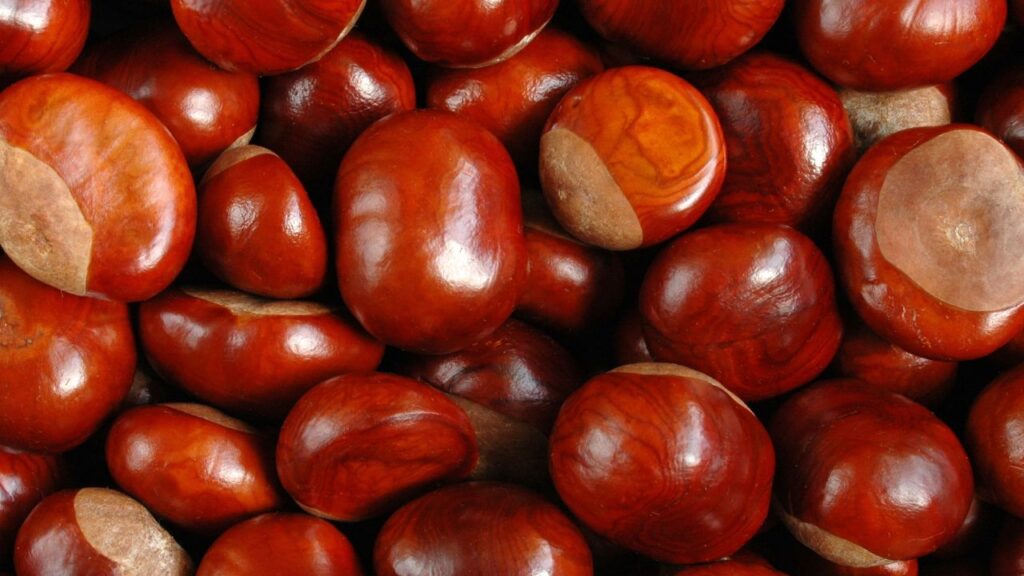 What chestnuts do
What this vegetable does
Held to replenish a weakened gut and Kidney. Good when a troubled gut leaves you with loose stools, or when ageing is on your mind.
How to eat it
Steam them and eat them as they are, or add them to a soup or a dessert.
A yakuzen note
Held to replenish the Spleen and Kidney and settle loose stools and heaviness in the lower back and legs, gently.
Chestnut is sweet and warm and replenishes the Spleen and Kidney. Bring it to the table when tiring easily, or heaviness or numbness in the lower back and legs, is on your mind. It is held to support how the muscles and joints work, and stands alongside the things that come to mind with the years
TOC
Knowing when chestnuts are in season, where they come from and the varieties
If you want to put what chestnuts do to work at the everyday table, knowing the season, the growing areas and the differences between varieties makes them easier to choose. Sweetness and size vary by variety even within the chestnut, and how you keep them changes the flavour too. As one of the tastes that stand for autumn, it is worth having the basics in hand for taking in their nourishment deliciously.
Chestnuts are in season from autumn into late autumn
Chestnuts reach the shops in the thick of autumn, roughly September to October. The taste shifts a little with the time of harvest.
- Early varieties — in the shops around September, juicy and light in taste
- Mid-season varieties — late September into October, well balanced in sweetness and aroma
- Late varieties — October onwards, larger nuts with a stronger floury quality
Chestnuts, whose appeal is a floury sweetness, have long been loved at the autumn and winter table. Knowing when they appear and which variety is which makes them easier to choose for the dish.
The main growing areas and the leading varieties
The main growing areas in Japan are Ibaraki, Ehime and Kumamoto. Each variety has its own character, and the dishes they suit differ.
- Rihei — deeply sweet, sometimes called the king of chestnuts, good in chestnut rice and roasted
- Ginyose — large nuts with a refined sweetness. It shows well simmered in the inner skin, or in kanroni
- Tanba chestnut — known as a branded chestnut, for gifts and for special-occasion cooking
Choosing the variety by use means no hesitation over whether it is for chestnut rice or for simmering in the inner skin.
How to choose good chestnuts, and how to ripen and keep them
Here is how to tell a fresh, good chestnut.
- A glossy, taut outer shell, with no darkening or holes
- Heavy in the hand and plump
- A pale base, not overly damp
Rather than eating them straight after harvest, wrapping chestnuts in newspaper and resting them for two to four weeks in a chilled compartment at around 0°C, which is called after-ripening, is said to turn starch into sugar and make them sweeter. It is an adjustment you can try at home to draw out the sweetness. Anything you will not use soon keeps its nourishment and moisture better if you boil it before freezing. Chestnuts hold fibre and potassium among other things, and can be enjoyed almost like a staple.
How to eat chestnuts and enjoy them
Chestnuts bring chestnut rice strongly to mind, but they work far more widely and are easy to bring into everyday cooking. Here are ways to eat them, from the standards to a few variations, that sit well at the autumn and winter table.
The standard chestnut rice, and preparing them
Chestnut rice is the standard where you taste the floury texture and the natural sweetness as they are. Soaking the hard outer shell in boiling water for about ten minutes before peeling makes it quick and clean. Mixing in a little glutinous rice adds chewiness and brings the sweetness forward. Finish it simply with dashi and a little salt, and a scatter of black sesame once cooked adds colour and a roasted note.
Simmered in the inner skin
The inner skin, inside the hard outer shell, holds tannin, a kind of polyphenol, which is what makes it astringent. Shibukawani is the method of simmering the nuts sweet with that skin left on, so you taste both its flavour and what the chestnut holds. Adding a little baking soda to the first boil softens the tough skin and helps the harshness out. Repeating the boiling to draw out the harshness turns the astringency into savour and gives a refined taste. It takes work, but it is a dish worth knowing as a feast that belongs to autumn alone.
Chestnut porridge and simmered dishes
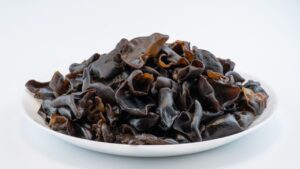
There is plenty beyond chestnut rice. Chestnut porridge, with the nuts crushed into it, is gentle in the mouth and suits breakfast. Simmered with chicken and wood ear, it works as a Chinese-style dish too. Dried wood ear needs no preparation and is easy to use, and Kyoto-grown dried wood ear can go straight into a simmered dish or a soup once rehydrated. The soaking water works as stock and goes well with the sweetness of the chestnuts. Sweet-simmered chestnuts also work in confectionery such as kinton and Mont Blanc, and frozen they can be enjoyed a little at a time. Frozen chestnuts go straight from frozen into cooked rice and simmered dishes, which saves the preparation.
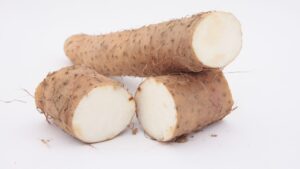
Ingredients in season from autumn into winter are also covered in The benefits of Japanese yam or The benefits of kabocha squash, The benefits of jujube, The benefits of black wood ear mushroom. Read them together as a guide to choosing seasonal ingredients.
How much is enough
Chestnuts are high in starch and hold sugars, so while they are satisfying, eating too many is said to leave the stomach bloated easily. Treating them as a pleasure of the season and keeping an eye on how much and what you pair them with makes them easy to bring in.
- A guide to one serving — around three to five large chestnuts
- What to pair them with — things kind to the gut, such as chicken or ordinary rice
In some areas the custom of drying chestnut leaves for tea remains, so more than the nut has been brought into daily life.
Chestnut, in season in autumn, has a gentle sweetness and a floury texture with something to it. As an ingredient long loved in yakuzen, add it to simmered dishes and rice and enjoy the warming taste of the season.