The benefits of soybeans
Links on this page include advertising.
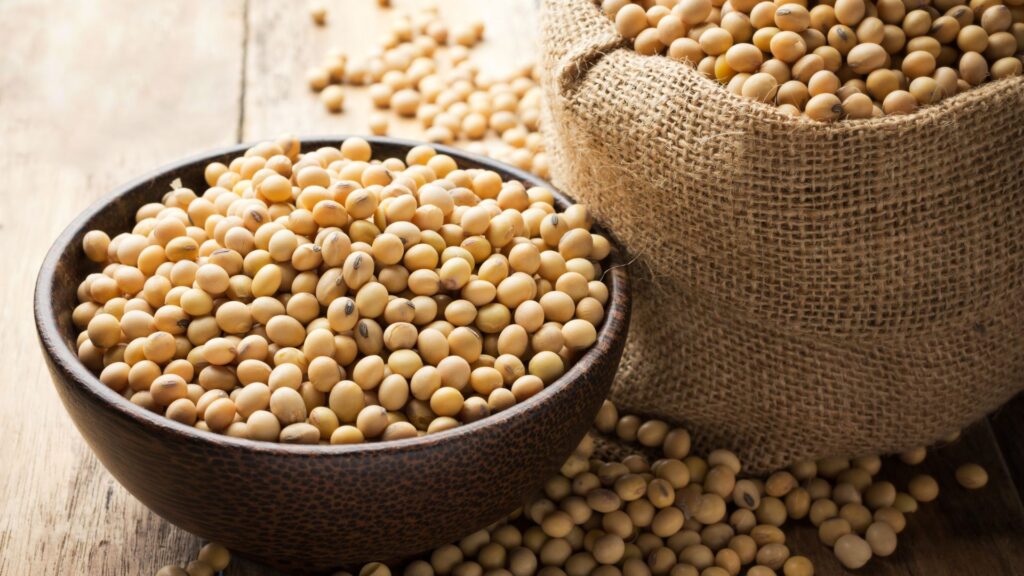 What soybeans do
What this vegetable does
It is held to strengthen the way the Spleen and Stomach work and to clear excess damp, which helps with swelling and constipation.
How to eat it
Taken as simmered beans, as miso or as tofu, it digests well and does you good.
A yakuzen note
Soybean is held to replenish the Spleen and Stomach and to moisten the body, which suits dryness and constipation.
Soybean is sweet and mild in nature, a bean held to strengthen the way the gut works, bring moisture to the body and clear excess damp. It suits daily care when a heaviness in the body is on your mind, or when dryness is, and it can be brought in many forms, as simmered beans, tofu or miso. Called the meat of the fields, it is an ingredient Japanese cooking cannot do without.
TOC
When soybeans are in season, their types, and how to choose them
If you want to enjoy what soybean does, it helps to know its season, its types and how to choose it. As tofu, natto and miso, it changes shape to carry the table: the bean at the heart of Japanese food culture.
Harvested in autumn, with dried beans all year
The soybean is the fully ripened seed of a legume, harvested in autumn. Picked while unripe it is edamame; left in the field to ripen and dry it becomes the soybean. Dried, it keeps and can be used all year. The new crop that appears in autumn is fragrant and tastes particularly good. The main growing areas are Hokkaido, the largest producer in the country, along with Miyagi and Saga. It is most often used processed, as tofu, natto, miso, soy sauce and soy milk, quietly carrying our table.
Yellow, black and green soybeans
Soybeans come in several types by colour, differing in flavour and in use.
| kinds | What stands out |
|---|---|
| Yellow soybean | The most common. The lead in tofu, natto, miso and the other processed foods |
| Black soybean | A black-skinned soybean. A sweetness with body, for simmered beans and osechi |
| Green soybean | A soybean with a greenish skin. Strongly sweet, for kinako and zunda |
Easy-to-handle yellow soybeans for everyday cooking, black soybeans for body and sweetness, green soybeans for scent and colour: you can choose by use. Besides dried beans, they come ready to use as cooked beans, steamed beans and kinako, so you can choose by how much preparation you want. Choosing to play to each one widens what you can cook.
How to choose it and how to prepare it
When picking out good soybeans, these are the things to look for.
- Beans of an even size, glossy and with few wrinkles
- Few cracked, chipped or discoloured beans, and well dried
- For ease, ready-cooked forms such as cooked or steamed soybeans
Dried soybeans cook plump and soft if soaked in plenty of water overnight, six to eight hours, before simmering. Soak them in about three times their volume of water and, once they have swollen, simmer them slowly over a low heat. A pressure cooker softens them in far less time. Cooked or steamed soybeans need no soaking or pre-boiling and go straight into a dish. The cooking liquid carries savour too, so using it along with the beans wastes nothing.
How to eat soybeans
Soybeans change shape from simmered beans to processed foods to flour, and go a long way. Here are the usual ways.
As simmered beans, in salads and in soups
Soybeans are at their best simmered plump and soft. Gomokumame, simmered with carrot, kombu and hijiki, is a comforting taste of home. Soybeans simmered soft, boiled or cooked, added to a salad, a soup, a curry or a minestrone, give it something to chew on. Stewed with tomato they turn into a Western-style dish. Used with their cooking liquid in a soup, they add body and savour. Cooked together with rice, a gentle sweetness spreads through it.
As tofu, natto, miso and kinako
Soybeans appear at the everyday table as processed foods. Tofu and natto can be eaten as they are, of course, and used in soups and stir-fries. Miso soup is an easy way to have the savour of fermented soybeans, and suits the cold months when you want to warm the body from within. Kinako, roasted soybeans ground to a flour, is good over mochi, dango and yoghurt for its toastiness. Gojiru, ground soybeans added to a soup, is thick and made for a winter bowl.
How to keep soybeans
Dried soybeans keep, but damp costs them flavour and can bring insects, so store them in an airtight container somewhere cool and dark, away from damp. In summer, or if you will not use them for a while, sealing them and keeping them in the fridge is reassuring. Boiled or cooked soybeans spoil easily, so freeze them in small portions, ready to go straight into simmered dishes, salads and soups. Processed foods such as tofu and natto should be used within the stated date and finished soon after opening.
Alongside this, a relative of the soybean with real body, The benefits of black soybean and a bean likewise held to replenish the gut, What broad beans do as a guide when building a seasonal table.
Called the meat of the fields, the soybean is a bean that changes shape to carry the table, from simmered beans, salads and soups to tofu, natto, miso and kinako. Easy-to-handle yellow soybeans, black soybeans with body, fragrant green soybeans: use each type for the job and it shows its best. For daily care in the season when heaviness in the body or dryness is on your mind, bring soybeans to the table.