The benefits of apple
Links on this page include advertising.
 What apples do
What this vegetable does
Held to clear excess heat, and looked to for helping digestion.
How to eat it
Eat it as it is, or make the most of its sweet-sour taste baked or in a smoothie.
A yakuzen note
Apple is said to clear heat from the body and settle the gut. An easy fruit to bring in at any time of year.
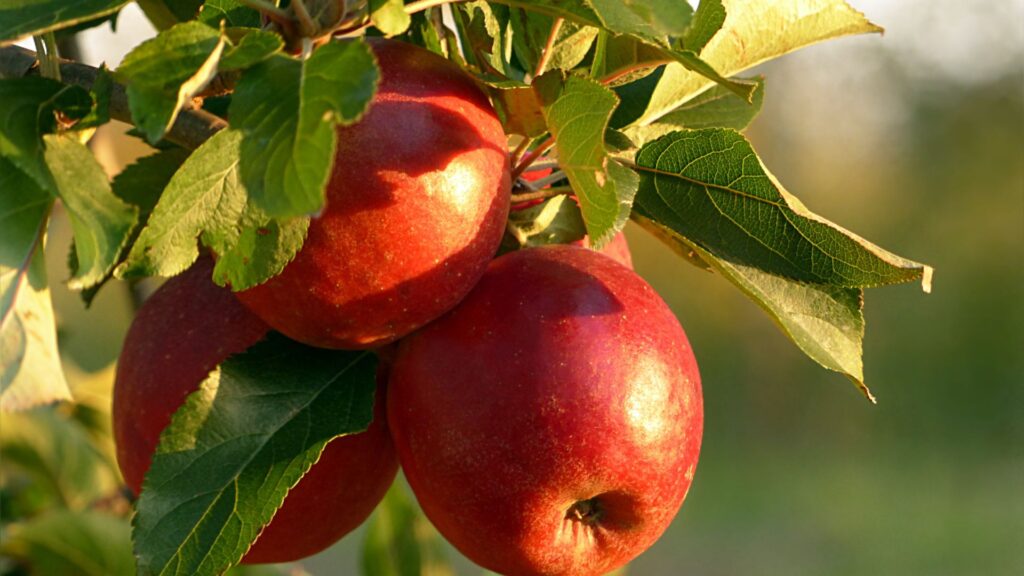
Apple is a fruit with sweet and sour flavours, cool in nature, held to settle excess heat trapped in the body, moisten the throat and the body, and settle how the gut works. Its appeal is a fresh sweet-sourness and a crisp texture, and it suits daily care when your throat is dry or you want to go easy on your stomach. As well as eating it as it is, it works grated, baked, or in confectionery.
TOC
When apples are in season, the varieties, and how to choose
If you want to bring in what apples do, deliciously, knowing the season, the varieties and how to choose makes them easier to use. They come into season from autumn into winter, and their appeal is a fresh sweet-sourness and a crisp texture.
In season from autumn into winter, and in the shops all year thanks to storage
Apple is a fruit that grows in cool regions, with Aomori and Nagano the main producing areas. The harvest runs from autumn into winter, roughly September to December; early varieties appear around September and the main ones from late autumn into winter. Because they are stored well at low temperature, they are available all year. Sweetness, acidity and firmness of flesh vary by variety, so you can choose to suit your taste and your use. The skin carries flavour too, so wash them well and you can eat them whole.
Fuji, Tsugaru, Kogyoku, Orin
Apples vary in sweetness, acidity and how easy they are to use, depending on the variety.
| kinds | What stands out |
|---|---|
| Fuji | The most popular. Strongly sweet with a crisp texture. For eating raw |
| Tsugaru | An early variety, in the shops in early autumn. Juicy, with a moderate sweetness |
| Kogyoku | Firmly acidic. It holds its shape when cooked, which suits baking and cooking |
| Orin | A green apple. Fragrant, strongly sweet with a gentle acidity |
For eating raw, the strongly sweet Fuji and the fragrant Orin suit. For cooking, in an apple pie or jam, the firmly acidic Kogyoku holds its shape and is the useful one. When you want to enjoy the first of the season in early autumn, Tsugaru is in the shops. Choosing by use and by taste is what brings out what apples have.
How to choose and handle them
When choosing a good apple, these points make it easier to tell.
- A firm stalk, colour all over, and taut, glossy skin
- A good weight in the hand
- Colour running right down to the base, and a good smell
The skin carries flavour, so wash them well and you can eat them whole. Cut surfaces discolour easily, so a quick dip in salted water or lemon water holds the colour. Grated, they become softer in the mouth, which is easier when you have no appetite and for small children. Apples also speed up the ripening of other fruit, so it is worth remembering that when you store them together.
How to eat apples
Apples work as they are, of course, and in cooking and confectionery, drawing on their fresh sweet-sourness and crisp texture. Here are the standard ways.
As they are, grated, or in a salad
What brings out the most in an apple is eating it well chilled, as it is. Cut into wedges with the skin on, you get the crisp texture and the fresh sweet-sourness. Grated and combined with honey or yoghurt, it suits breakfast or a snack. Sliced thinly into a salad with leaves, nuts and cheese, its sweetness and acidity give an accent and make a dish with something to it.
Baked, as compote, or in confectionery
Heated, an apple's sweetness comes forward further. Cored, filled with butter and cinnamon and baked, it turns soft in the mouth and suits a dessert in the cold season. Simmered slowly with sugar and lemon, a compote is good alongside yoghurt or on bread. The firmly acidic Kogyoku suits baked confectionery such as apple pie and jam. It holds its shape, which helps when you want the pieces to stay whole. When you have a lot, turning them into compote means none goes to waste.
How to keep apples
Apples do not like drying out, so put them in a plastic bag, close it loosely and keep them in the vegetable drawer of the fridge to hold their freshness. Apples speed up the ripening of other fruit and vegetables, so keep them separately, or put them with something you want to ripen: use that either way. Grated and frozen, they work in smoothies and baking. Cut pieces should be dipped in salted water, wrapped and used soon. Made into compote, they keep for longer.
Alongside this, it is worth knowing about The benefits of pear which likewise moistens the body and eases a dry throat, and a fruit likewise held to help the stomach work, The benefits of kiwi fruit as a guide when building a seasonal table.
Apple, in season from autumn into winter, is a fruit whose fresh sweet-sourness you can enjoy as it is, grated, in a salad, baked or in confectionery. Sweet Fuji, acidic Kogyoku, fragrant Orin: choosing by use and by taste is what brings out what they have. For daily care when your throat is dry or you want to go easy on your stomach, bring apple to the table.