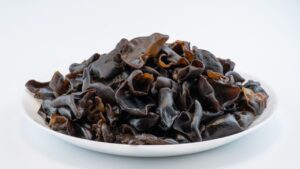
The benefits of barley
Links on this page include advertising.
 What barley does
What this vegetable does
Held to clear heat from the body and help the digestive system work.
How to eat it
Boil it and add it to a salad or a soup.
A yakuzen note
It is looked to for settling the gut and draining excess fluid.
Barley is held to settle the gut and drain excess heat and fluid from the body. Brought in when loose stools or swelling are on your mind in particular, it can be looked to for helping the digestive system. Boiled into a salad or used in a soup, it supports healthy eating while making the most of its flavour.
TOC
The kinds of barley and how to choose
If you want to bring in what barley does, deliciously, knowing the kinds, how to choose and how to cook it makes it easier to use. Its appeal is a popping, chewy texture, and it is a useful grain, mixed into rice or added to a soup.
A grain cooked together with rice
Barley is an ancient grain alongside rice and wheat, long familiar as mugi-gohan and barley tea, and as a raw material for miso and beer. It is harvested in early summer and dried for keeping, so it is available all year. As it is, it is hard and difficult to eat, so it is processed into forms such as pressed barley, steamed and rolled flat, and mixed into rice or boiled for cooking. Texture and use vary with the processing.
Pressed barley, whole barley and mochi barley
Barley comes in several processed forms, differing in texture and use.
| kinds | What stands out |
|---|---|
| Pressed barley | The standard, steamed and rolled flat. Unobtrusive and easy to mix into rice |
| Whole barley | Processed with the grain shape kept. Firm to the bite, for soups and salads |
| Mochi barley | Glutinous barley. A distinctive popping, chewy texture |
For a first try, pressed barley sits well with rice and is the easy one; if you want texture, grainy whole barley or mochi barley suit. There is also rice-grain barley, processed to about the size of a rice grain, which does not stand out when mixed into white rice. Choose by dish and by taste.
How to choose it and how to cook it
When choosing barley and cooking it well, these points help you avoid going wrong.
- Grains even in size, with little discolouring or splitting
- For mugi-gohan, mix 10 to 30 per cent barley into the rice and add water for the barley
- To use it boiled, boil for 15 to 20 minutes in plenty of water and drain
Mugi-gohan is simply a matter of mixing barley into the rice and cooking. The more barley, the stronger the texture, so adjust the proportion to taste. Keeping boiled barley in the fridge or freezer means it is ready for salads and soups. Making the most of that popping texture adds an accent to a dish.
How to eat barley
As well as mixing into rice, barley works in soups and salads, and sits well in both Japanese and Western cooking. Here are the standard ways.
Mugi-gohan and mugi-toro
The easiest is mugi-gohan, cooked with rice. Mugi-toro, with grated Japanese yam poured over, slips down easily and has long been eaten in hot weather when the appetite drops. Cooked mugi-gohan keeps its texture when cold, which suits rice balls and packed lunches. Simply varying the proportion of barley gives your daily staple some variety.
In soups, salads and risotto
Boiled barley added to a soup such as minestrone, or Scotch broth simmered with meat and vegetables, gives body and thickness. Boiled, cooled and tossed with chopped vegetables and herbs, it makes a grain salad with a popping texture. Fried and simmered in dashi as a risotto, or added to rice porridge, it works well too. That popping bite adds something to enjoy.
How to keep barley
Dried barley is a dry good, so keep it away from damp and insects. It takes up damp easily in its bag, so move it to an airtight container or a zip bag and keep it somewhere cool and dark, out of direct sunlight. In warm weather, the fridge is safest. Boiled barley freezes well in portions and can go straight from frozen into a soup, salad or risotto. Keeping it so you can take out just what you need means none is wasted.
Alongside this, a grain that likewise makes a staple, The benefits of Japanese short-grain rice or The benefits of oats as a guide for everyday cooking.
Barley, with its enjoyable popping texture, is a grain that is easy to bring to the everyday table, in mugi-gohan, mugi-toro, soups and salads. Pressed barley that sits well with rice, whole barley and mochi barley for texture: using each kind for what it does best brings out what it has. Keep barley in the cupboard all year and bring it to the table, including for daily care in the seasons when heat and damp are on your mind.