The benefits of nori
Links on this page include advertising.
 What nori does
What this vegetable does
It is held to clear damp and excess heat and to settle the body.
How to eat it
Good used in miso soup and as a filling for rice balls.
A yakuzen note
It is said to clear excess damp from the body and improve the circulation.
Nori is held to clear excess damp and heat from the body and to settle it. It is thought to work particularly well taken in damp seasons and when swelling is on your mind. Easy to use across a wide range of dishes, from miso soup to rice balls, it is an ingredient that supports your health at the everyday table.
TOC
When nori is in season, its types, and how to choose it
If you want to enjoy what nori does, it helps to know its season, its types and how to choose it. Loved for the scent of the shore and the way it melts crisply in the mouth, it is a gift of the sea that has long carried the Japanese table.
In season in winter, the first picking the most fragrant
Nori is in season in winter. Farmed nori is harvested from autumn into winter, and the first picking of the year, the hatsu-tsumi or ichiban nori, is soft, melts well in the mouth and has a scent all its own. The main growing areas are Saga, Fukuoka and Kumamoto around the Ariake Sea, along with the Seto Inland Sea and Tokyo Bay. Dried for keeping, it can be used all year, but winter, when the new nori appears, is when you can have the most fragrant of it.
Toasted nori, seasoned nori and aonori
Nori is one word for several things, differing in flavour and use according to type and processing.
| kinds | What stands out |
|---|---|
| Toasted nori | Sheet nori, toasted. Fragrant, for rice balls and rolled sushi |
| Seasoned nori | Seasoned with soy sauce and the like. To eat with rice as it is |
| Aonori and iwa-nori | A strong scent of the shore. For flavouring okonomiyaki and soups |
Fragrant toasted nori for rice balls and rolled sushi, seasoned nori to serve with rice as it is, aonori or iwa-nori to scent a dish: you can choose by use. Korean nori, with sesame oil and salt, is popular too, with a drink or with rice.
What to look for when choosing
When picking out good nori, these are the things to look for.
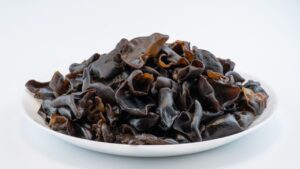
- Black and glossy, of an even thickness and firm
- Few holes or uneven patches, highly fragrant and crisply dry
- The first winter picking, if you want that soft melt in the mouth
Once the packet is open, nori takes up damp easily and loses its crispness little by little. Take it out of the packet just before use, and only as much as you will use at once, and it stays good in the mouth to the last. For dishes where the scent matters most, use a freshly opened packet.
How to eat nori
Nori is good eaten as it is, of course, and sits equally well with rice, noodles and soups. Here are the usual ways.
In rice balls, rolled sushi and gunkan
A rice ball, freshly cooked rice wrapped in nori, is the most familiar use of all. There is no shortage of treats that exist only because of nori: rolled sushi, hand-rolled sushi, gunkan maki. For a crisp bite, wrap it just before eating. If you would rather it softened into the rice, wrap it early and let it sit for a while, which is good in a different way. Vary when you wrap it to suit what you are making.
In miso soup, with noodles and as tsukudani
Torn small and floated on miso soup or a clear soup, the scent of the shore rises. As a topping for ramen, udon or soba it adds flavour and colour. Isobe-yaki, grilled mochi wrapped in nori, and nori tsukudani spooned over rice are pleasures particular to nori as well. Korean nori needs only tearing over namul or rice to add flavour easily.
How to keep nori
Nori hates damp above all, so how you store it is the key to holding the flavour. Once opened, put it in a tin or a zip bag with a desiccant, press the air out, seal it and keep it somewhere cool and dark out of direct sun. To keep it a long time, seal it and put it in the freezer, which holds the scent better. Even if it does take up damp, a quick pass over a flame brings the texture back, so there is no need to panic and you can still use it up.
Alongside this, another gift of the sea, also used for stock, The benefits of kombu and one held to clear what the body does not need, The benefits of daikon radish as a guide when building a seasonal table.
Rich with the scent of the shore, nori is a gift of the sea that Japanese cooking cannot do without, from rice balls and rolled sushi to miso soup and a topping for noodles. Fragrant toasted nori, seasoned nori to go with rice, aonori for flavour: use each type for the job and it shows its best. Store it well, away from damp, and bring the scent of nori to the everyday table.