The benefits of peanut
Links on this page include advertising.
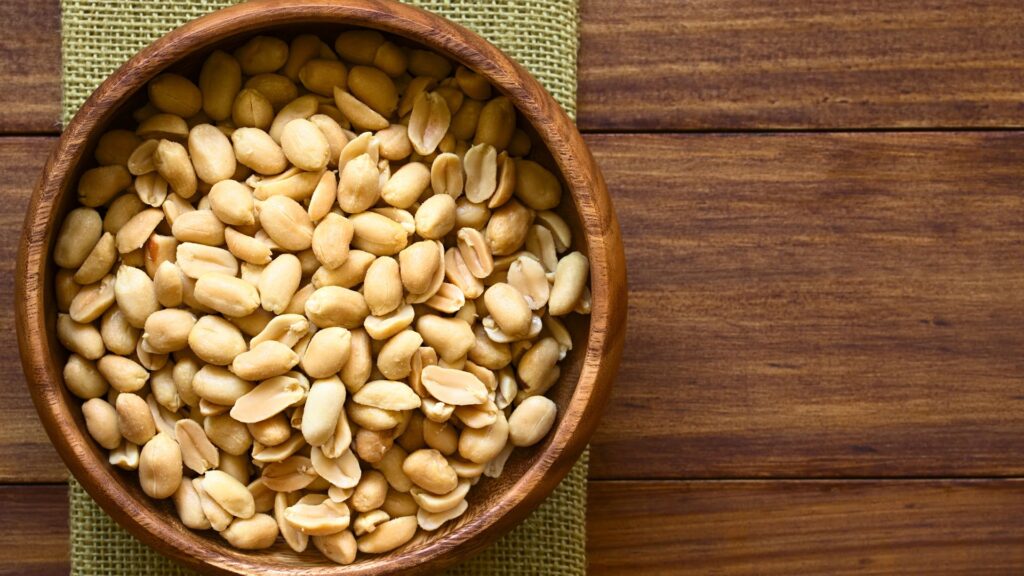 What peanuts do
What this vegetable does
It replenishes the blood and moistens the Lung and Stomach, which helps keep you well.
How to eat it
As well as eating them as they are, they are worth using in soups and desserts.
A yakuzen note
It replenishes qi and is looked to for moistening the Lung.
Peanuts are held to replenish the blood and to moisten the Lung and Stomach. They are looked to in particular where there is anaemia, a cough from dryness of the Lung, or constipation. They are also held to replenish the Spleen and to stop bleeding, which makes them well suited to times of tiredness and low energy. They can be used widely, in soups, desserts and as a note in cooking.
TOC
When peanuts are in season, their types, and how to choose them
If you want to enjoy what peanuts do, it helps to know what they are, their season, their types and how to choose them. Toasty in flavour and floury in texture, they belong as easily in a snack as in a dish.
A bean that ripens underground, in season in autumn
The peanut, also called the groundnut, is a legume, closer to a bean than to the nuts it sits with. After the flower opens, the stalk of the ovary reaches down into the soil and the pod forms underground, which is where the Japanese name, meaning the fallen flower bearing fruit, comes from. Japanese raw peanuts are in season from around September to November; Chiba is known as the largest producer, with Yachimata among the famous growing areas. Dried and roasted peanuts are sold all year, but raw peanuts appear only in autumn.
Raw, boiled and roasted
Peanuts change in flavour and use according to their state.
- Raw peanuts: freshly dug new beans, autumn only. Boiled before use
- Boiled peanuts: raw ones boiled in salted water. Floury and soft, a taste of autumn
- Roasted peanuts: toasty and crisp. Available all year, for snacks and for cooking
Processed peanuts, such as butter peanuts and peanut butter, are available all year too. The varieties have their own characters: Omasari, large-seeded and suited to boiling, and Chiba Handachi, strong in scent and body and suited to roasting, among others. The thin skin has a faint toastiness of its own and can be eaten as it is.
How to choose good peanuts
When choosing peanuts, these are the things to look for if you want fresh ones.
- In the shell: a light rattle when shaken, with no cracks or mould on the shell
- Shelled: good colour and gloss, with no damp feel and no smell of old oil
- Raw peanuts: clean shells, plump inside
Peanuts are high in oil and lose their flavour as they age. An oily smell means they are past their best, so buying an amount you can finish soon after opening keeps the toastiness.
How to eat peanuts
Peanuts go well beyond eating as they are, into cooking and baking. Here is how to use that toastiness and body.
Roasted, and boiled
Roasted peanuts eaten as they are, as a snack or with a drink, give you toastiness and a crisp bite. Raw peanuts, available in autumn, boiled in salted water for thirty minutes to an hour, become floury, soft boiled peanuts. Eat them warm, much as you would edamame, and they are something special. Crushed and scattered over a salad, ice cream or dandan noodles, they work as a note of texture. Used with the thin skin on, the toastiness comes forward more still.
In dressed dishes, stir-fries and peanut butter
Ground peanuts combined with soy sauce and sugar make a peanut dressing for spinach or green beans, with a body that differs from a sesame dressing. In Chinese cooking they are often stir-fried with chicken or cucumber. Ground and worked into peanut butter, they go on bread and also work as a hidden note in sauces and dressings. Combining them with other nuts and dried fruit, as in How to combine nuts is worth a look as well.
How to keep peanuts, which turn rancid easily
Peanuts are high in oil and lose their flavour when exposed to air and damp. Keep roasted and processed peanuts in an airtight container or a zip bag, away from damp, somewhere cool and dark or in the fridge. Raw peanuts spoil easily, so boil them soon after you get them. Boiled peanuts keep two or three days in the fridge in their liquid, and much longer frozen in small portions. Keep them away from hot, humid places and from the side of the hob, and use them up before long, and they hold their toastiness.
Alongside this, it is worth knowing about The benefits of jujube likewise held to replenish the blood, and a seed that moistens the body, The benefits of pine nut as a guide when building a yakuzen table.
In season in autumn, peanuts are a versatile ingredient, roasted and eaten as they are, boiled, in dressed dishes and as peanut butter. Boil the raw ones for a taste of autumn, use the roasted ones for toastiness in cooking, and store them with rancidity in mind, and each toasty kernel keeps for a long time. Do try boiled peanuts, which belong to autumn alone.