The benefits of spinach
Links on this page include advertising.
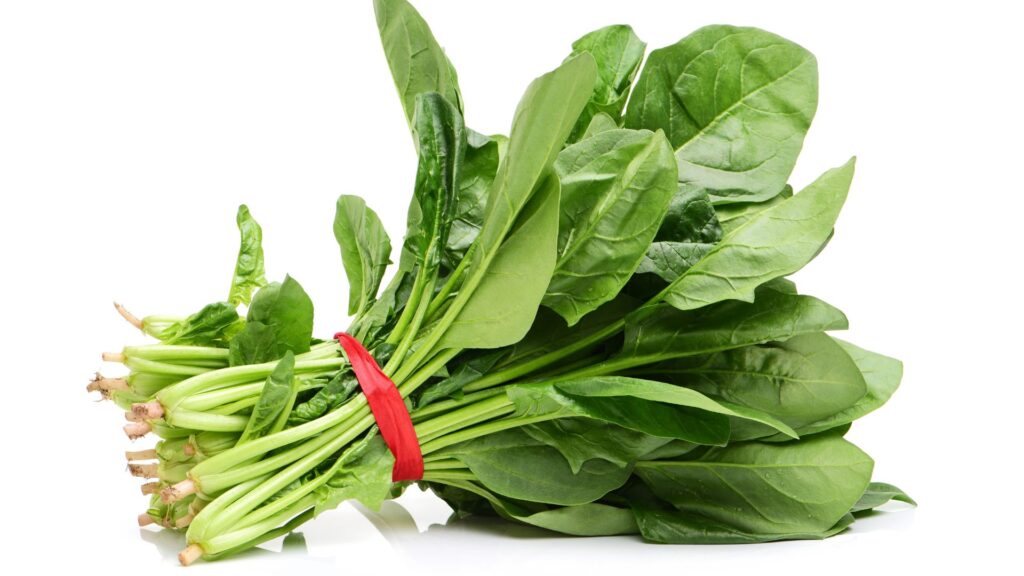 What spinach does
What this vegetable does
It is held to replenish the blood, moisten the yin fluids and cool heat in the body.
How to eat it
Blanched and dressed, or in a smoothie, it gives you its goodness efficiently.
A yakuzen note
Since it clears heat, it is said to be good to eat when you feel irritable.
This vegetable, driedDried spinach ->
Spinach is held to replenish the blood and to moisten the yin fluids, and is looked to in particular for anaemia and constipation. It also cools heat in the body, which makes it an ingredient for when irritability or a hot feeling in the chest is on your mind. It can be used widely, blanched and dressed, in smoothies and in stir-fries.
TOC
When spinach is in season, its types, and how to choose it
If you want to enjoy what spinach does, it helps to know its season, its types and how to choose it. It is the green of winter, loved for its soft leaves and the faint sweetness at the root.
In season in winter, sweeter for the cold
Spinach is sold all year, but its season is winter, around November to February. Cold brings out the sweetness, so winter spinach tastes noticeably fuller. Spinach grown under kanjime cultivation, deliberately exposed to cold, is sweeter still, and the leading example is chijimi spinach, with its crinkled leaves. It is thick and has something to chew on. The summer crop has soft leaves and a light flavour, the winter crop a sweetness with body, so it changes face with the season. Winter is when greens turn sweet, so blanched and dressed, or in a hotpot, spinach shows its best.
Eastern types, Western types and salad spinach
Spinach comes in several types, and choosing to suit the dish brings out what it has.
| kinds | What stands out | Dishes it suits |
|---|---|---|
| Eastern type | Thin leaves, deeply lobed. A red, sweet root | Blanched and dressed dishes |
| Western type | Round leaves, thick and firm | Stir-fries and stews |
| Salad spinach | Little harshness, and can be eaten raw | Salads and smoothies |
What you mostly see in the shops is a cross between the Eastern and Western types. If you want to eat it raw, choose salad spinach, which is low in harshness and can go straight in without blanching. Choosing to suit the dish keeps you out of trouble.
How to choose good spinach
When choosing spinach, these are the things to look for if you want fresh leaves.
- Firm right to the leaf tips, and deeply green, which tells you it is fresh
- No yellowing or wilting, with a juicy cut at the base, which tells you it is fresh
- In winter, a reddish base, which tells you how much sweetness it carries
Firm leaf tips and a juicy cut end tell you it is fresh; a red base in winter tells you how much sweetness has come up. The red part is sweet too, so use it rather than throwing it away. Soil works into the base easily, so cut a cross into it and swish it about in a bowl of water to get it clean.
How to eat spinach
A single step, blanching, makes spinach much easier to eat. Here is how to take the harshness out, and the usual dishes.
How to take the harshness out by blanching
Spinach contains oxalic acid, the harshness behind the rough edge in the mouth. There are three points to blanching it in plenty of water.
- Put the base in first, since it takes longer to cook, and lower the leaves in a moment later
- Lift it out as soon as the leaves turn a vivid green, before it overcooks
- Drop it into cold water and then squeeze it, which takes the harshness out and keeps the colour bright
Salad spinach, which has little harshness, can be used raw without blanching.
Blanched and dressed, in stir-fries and in soups
Blanched spinach served with soy sauce or stock, dressed with sesame or with tofu, gives you the sweetness of the greens. It is a green that goes well with fat, sauteed in butter or garlic, made into namul or stir-fried Chinese-style. In miso soup, in a soup or a potage, it finishes colourful, and it sits well in a gratin, a quiche or a curry too. For an easy option, rehydrated in water and used in miso soup or a simmered dish, there is Dried spinach is convenient.
How to keep spinach
Spinach does badly in dry air, so wrap it in damp newspaper or kitchen paper, put it in a plastic bag and stand it upright in the vegetable drawer of the fridge, and it holds its freshness. Leafy greens spoil faster lying down, so the trick is to stand them the way they grew. If you cannot finish it, blanch it on the firm side, squeeze the water out well and freeze it in small portions, ready to go straight into soups and stir-fries. Blanched and then frozen holds the texture after thawing better than frozen raw.
Alongside this, it is worth knowing about The benefits of jujube likewise held to replenish the blood, and one in season in winter, The benefits of daikon radish as a guide when building a winter table.
Spinach grows sweeter in winter, and choosing to suit the dish brings out what it has. Soft leaves for blanched and dressed dishes, thick-set plants for stir-fries and stews, and the red at the base eaten as well: that way you get the full sweetness of the greens. Do taste it in its season, when the cold makes it sweet.